Female Infertility: Ovarian Reserve & Endocrine Biology
“Uncovering the systemic blocks to female fertility”
A biological assessment of ovarian reserve, endocrine regulation, and reproductive immune tolerance. Successful conception and embryo implantation depend on a synchronized endocrine dialogue between the hypothalamic-pituitary-ovarian (HPO) axis, endometrial receptivity, and maternal immune tolerance. Reficio's 4-tier female fertility matrix profiles ovarian reserve (AMH, FSH), ovulatory dynamics (LH, Estradiol, Prolactin, Luteal Progesterone), and autoimmune/cytokine barriers to implantation (Anti-TPO, IL-6, TNF-α).
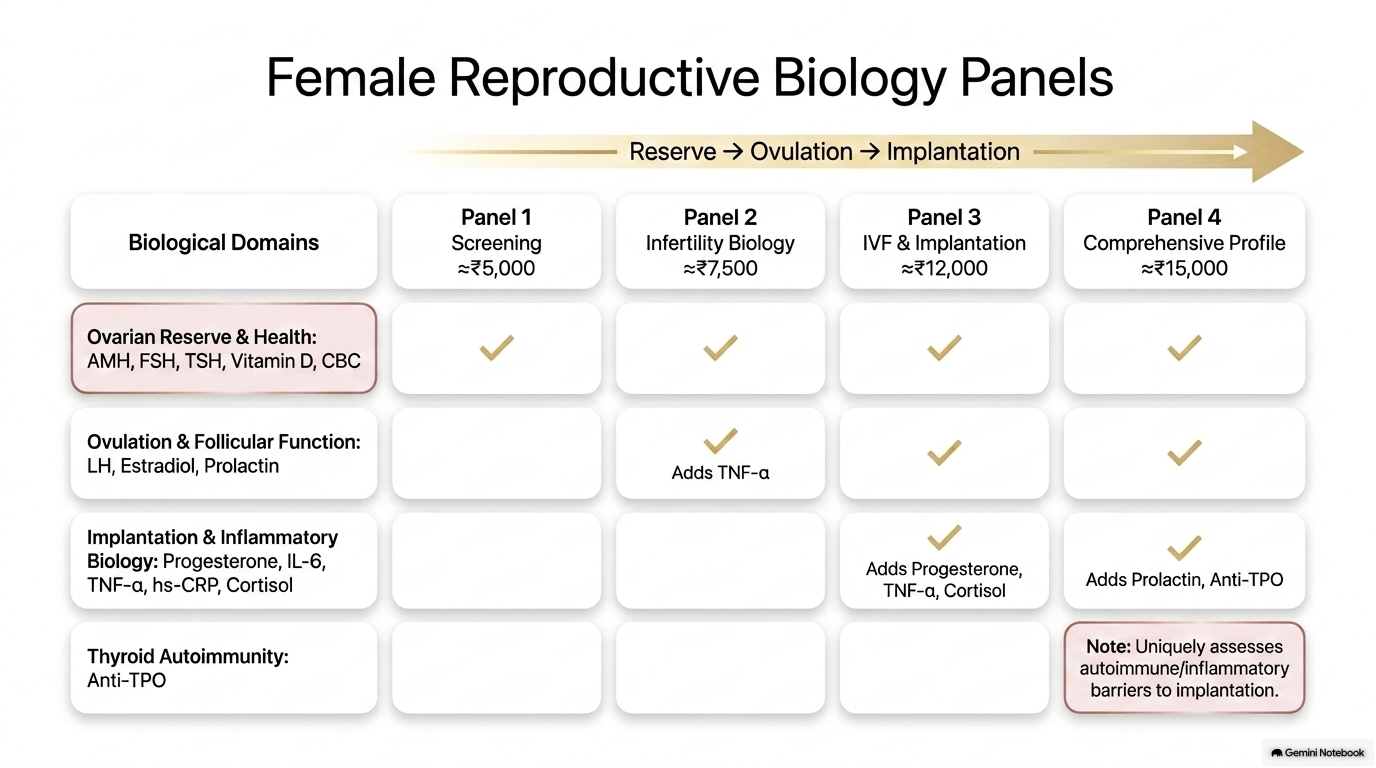
The 4 Biological Axes of Female Reproductive Health
Coordinated assessment of ovarian reserve, ovulatory kinetics, implantation cytokines, and thyroid autoimmunity.
Ovarian Reserve & Health
AMH, FSH, TSH, Vitamin D, CBC
Ovulation & Follicular Function
LH, Estradiol, Prolactin
Implantation & Inflammatory Biology
Progesterone, IL-6, TNF-α, hs-CRP, Cortisol
Thyroid Autoimmunity
Anti-TPO
Diagnostic Tiers & Pricing Structure
From baseline AMH screening to comprehensive IVF & implantation support matrices.
Panel 1
- AMH Ovarian Reserve
- FSH
- Vitamin D
Panel 2
Adds TNF-α
- LH & Estradiol
- Prolactin
- TNF-α Inflammatory Layer
Panel 3
Adds Progesterone, TNF-α, Cortisol
- Luteal Progesterone
- Implantation Cytokine Profile
- Cortisol Stress Axis
Panel 4
Uniquely assesses autoimmune/inflammatory barriers to implantation.
- Anti-TPO Autoimmune Barrier
- Complete Reproductive Symphony
- Maximum IVF Support Matrix
Female Infertility & Reproductive Health
“Uncovering the systemic blocks to female fertility”
Successful conception and embryo implantation require synchronized dialogue between the hypothalamic-pituitary-ovarian axis, endometrial receptivity, and maternal immune tolerance. Reficio profiles ovarian reserve, ovulatory kinetics, and implantation barriers.
Stage 1: Scientific & Biological Mechanisms
Sequential physiological and cellular decomposition from the canonical Reficio presentation
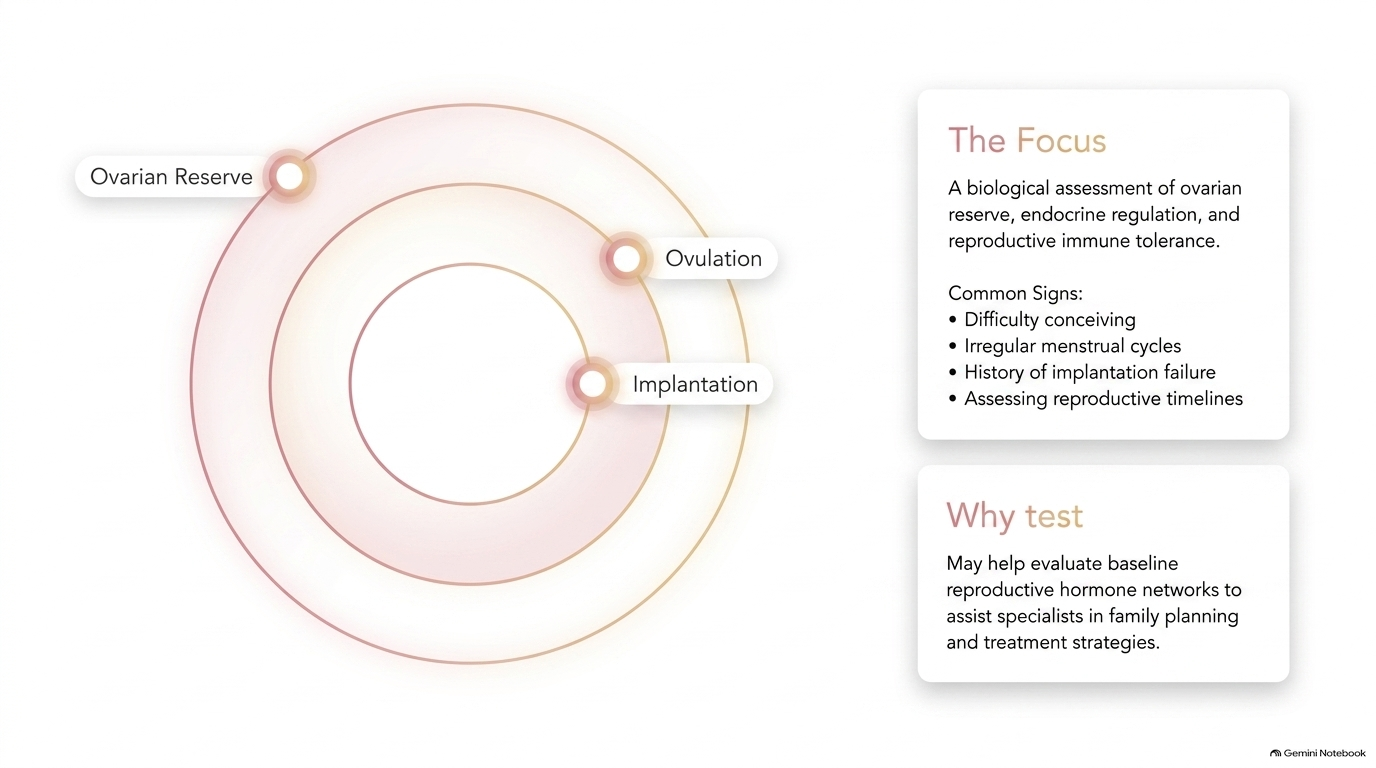
Female Infertility Biology Overview
Biological assessment of ovarian reserve, endocrine balance, and implantation tolerance
Clinical Mechanisms & Biological Insights
- AMH levels reflect the growing follicular pool and remain relatively stable across cycle phases.
- FSH and Estradiol on Day 2/3 evaluate basal pituitary-ovarian feedback.
Key Biomarkers Mapped in this Module
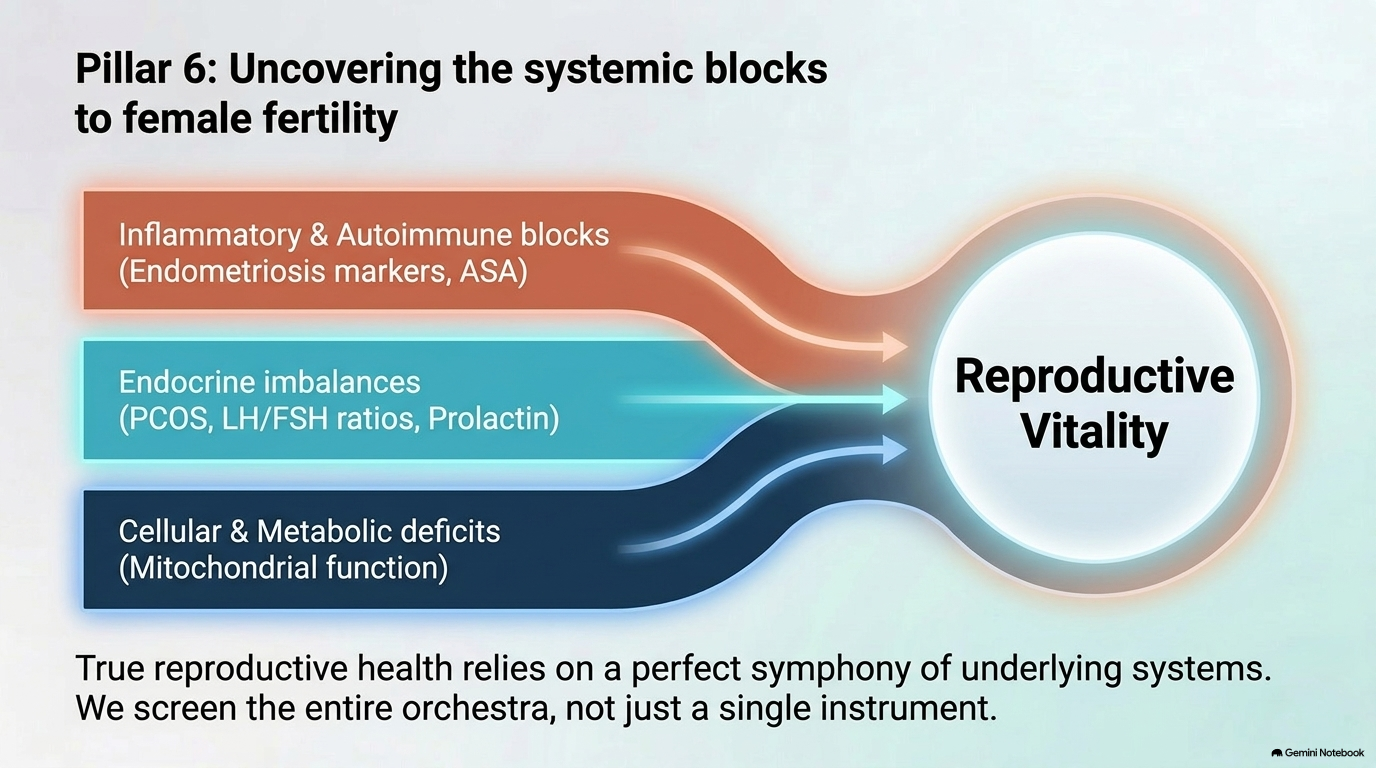
Uncovering Systemic Blocks to Fertility
The Biological Orchestra: Endocrine, Inflammatory, Autoimmune, and Metabolic Harmony
Clinical Mechanisms & Biological Insights
- Subclinical thyroid autoimmunity (Anti-TPO) increases early pregnancy loss risk.
- Elevated inflammatory cytokines impair endometrial receptivity during the implantation window.
Key Biomarkers Mapped in this Module
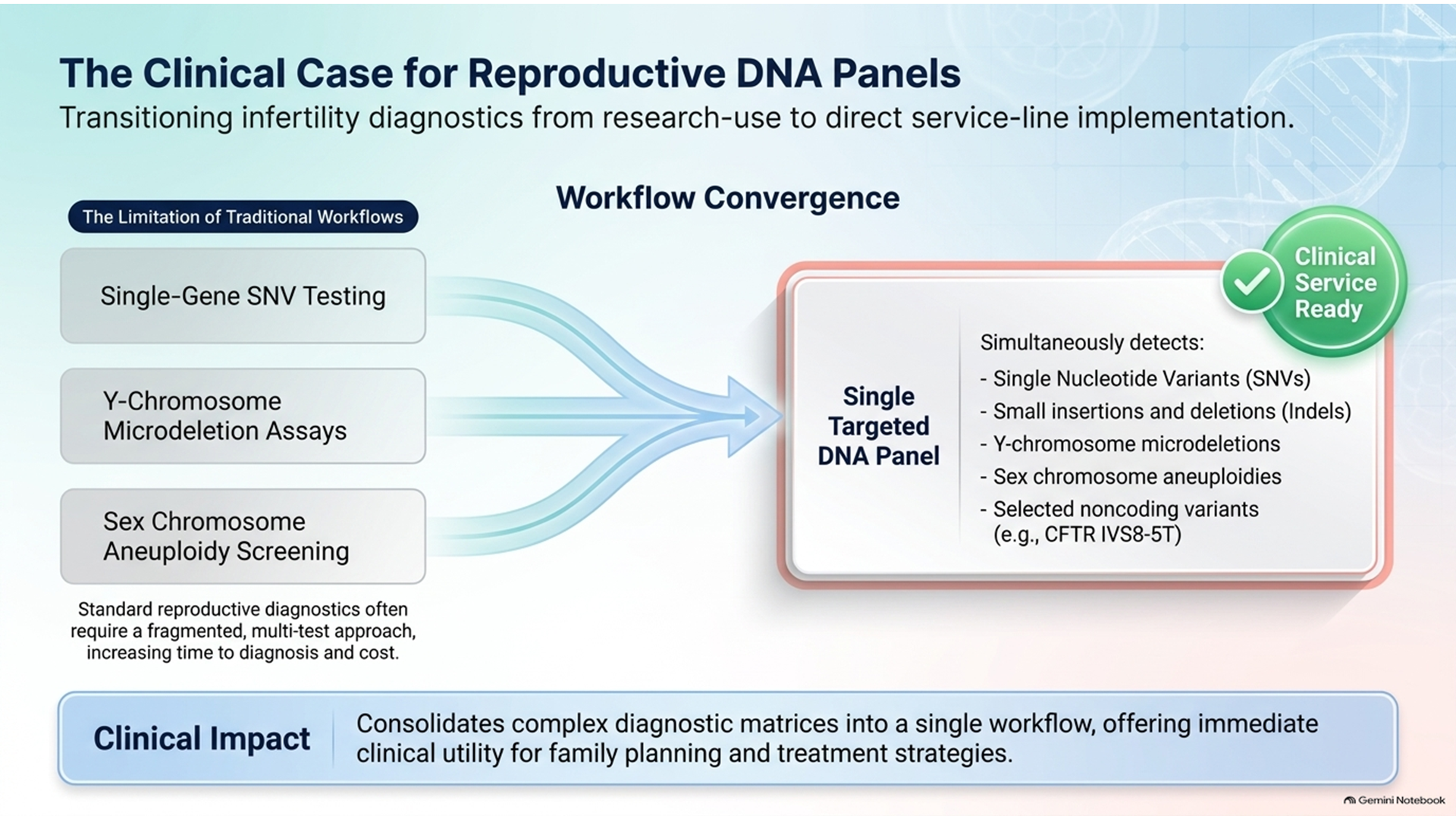
Reproductive Genomics: Clinical Case for DNA Panels
Workflow convergence: Karyotyping, microarrays, and targeted sequencing in reproductive medicine
Key Biomarkers Mapped in this Module
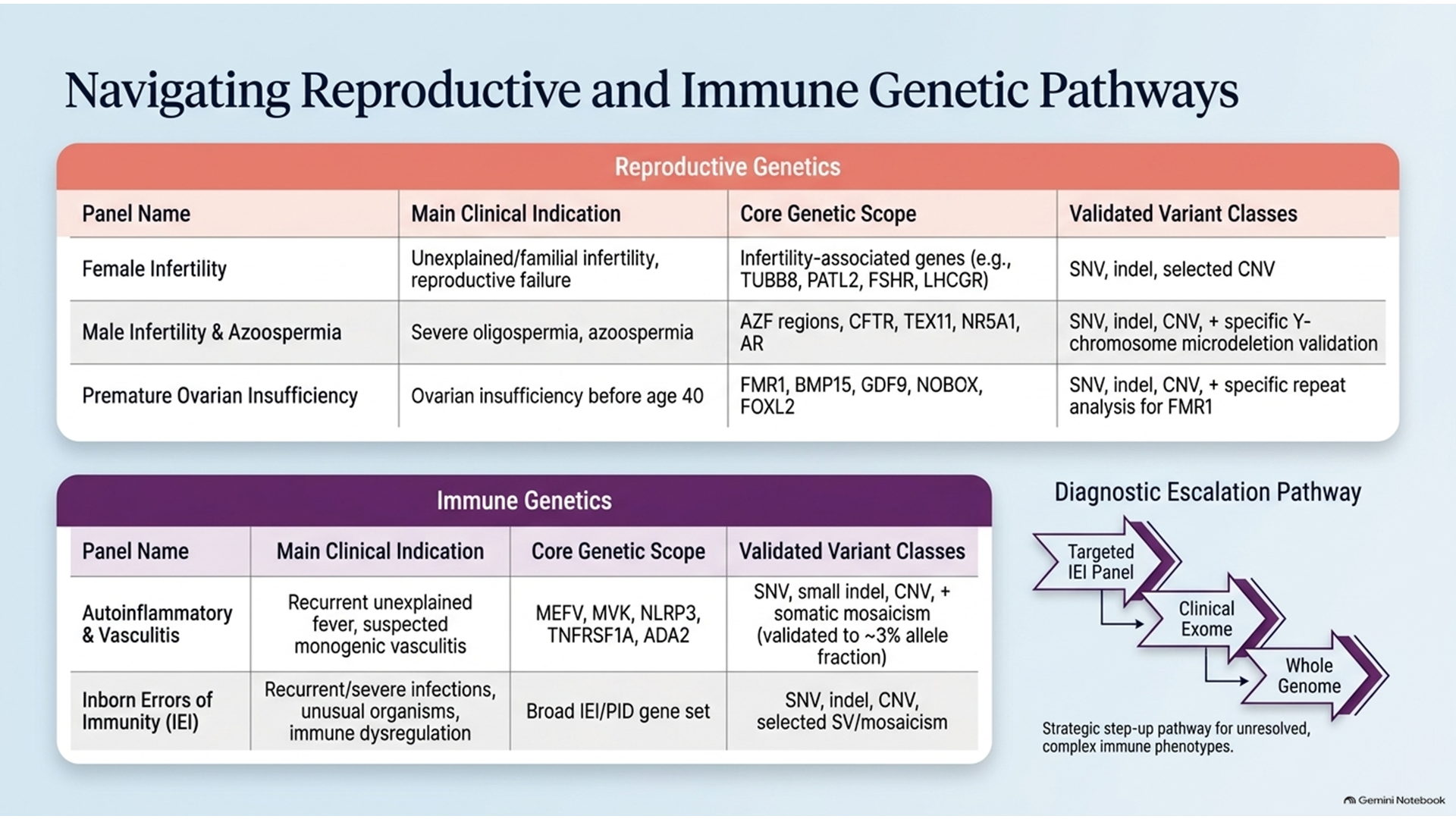
Navigating Reproductive & Immune Genetic Pathways
Thrombophilia, immunological tolerance, and implantation receptor genetics
Key Biomarkers Mapped in this Module
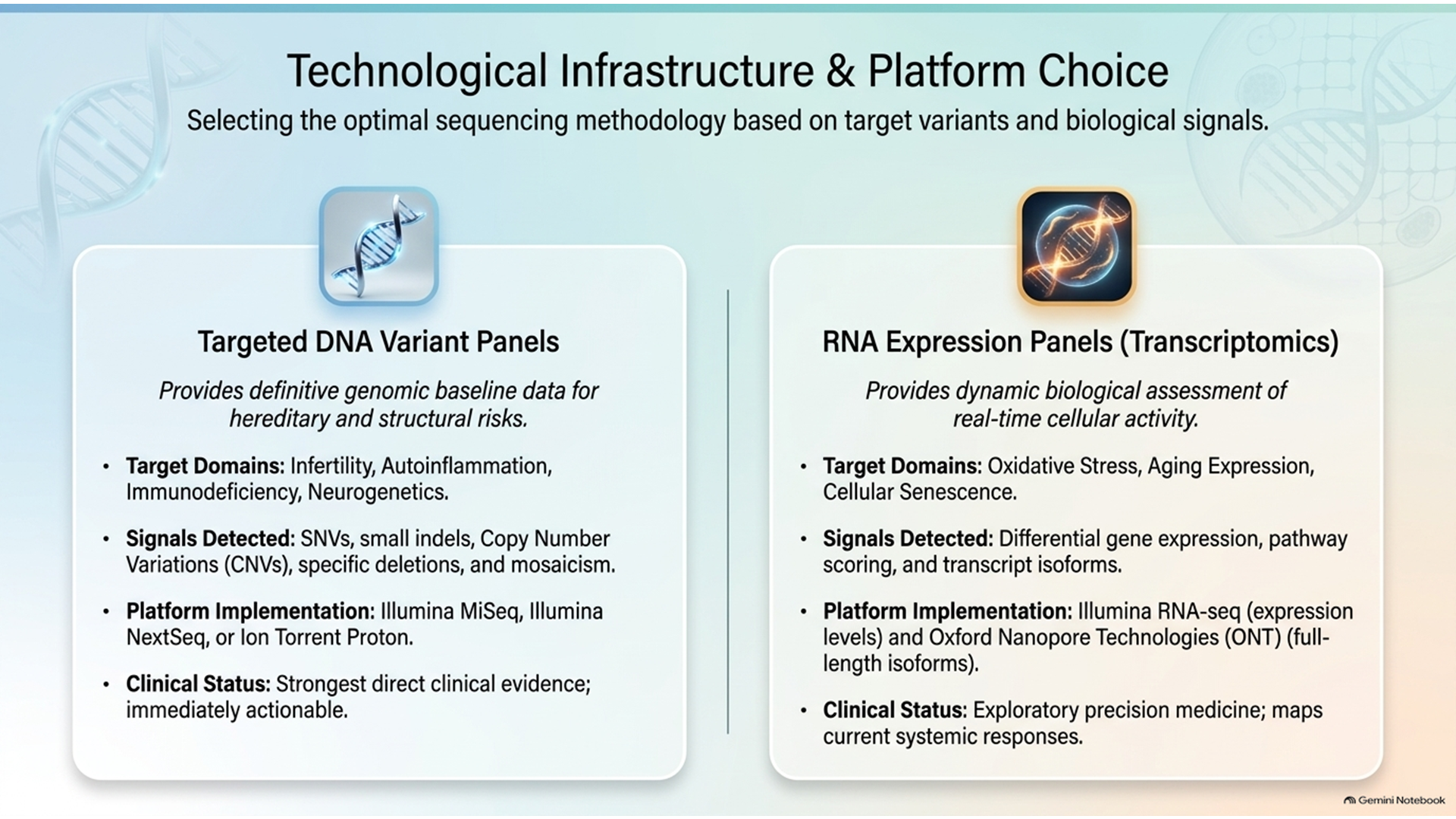
Technological Infrastructure & Platform Choice
Targeted DNA variant panels vs RNA expression profiling in reproductive workups
Key Biomarkers Mapped in this Module
Core Diagnostic Biomarker Axes
Coordinated multi-pathway laboratory parameters evaluated across this biological pillar
AMH (Anti-Müllerian Hormone), FSH (Day 2/3), Estradiol (E2)
LH, Prolactin, Mid-Luteal Progesterone (Day 21)
TNF-α, IL-6, hs-CRP, Vitamin D
TSH, Free T3, Free T4, Anti-TPO, Antiphospholipid Screen
Associated Clinical Indicators
Common systemic presentations associated with this pillar:
Female Infertility Diagnostic Architecture
Key Included Biomarkers Across Tiers
- Tier 1 confirms ovarian reserve baseline.
- Tier 3 and 4 evaluate ovulatory confirmation and immune implantation readiness.
Frequently Asked Questions: Fertility Testing
Clinical considerations for reproductive hormone workups and cycle timing.