The Seven Biological Pillars
A Comprehensive Systems Guide: Understanding the mechanisms, biomarker axes, symptom patterns, and multi-slide diagnostic journeys for each foundational biological domain.
Inflammatory Burden
“Chronic inflammation acts as the catalyst for systemic breakdown”
Systemic low-grade inflammation is a primary pathophysiological driver across metabolic, cardiovascular, and autoimmune disorders. Evaluating both upstream cytokine signaling and downstream acute-phase vascular responses establishes a clear inflammatory baseline.
Stage 1: Scientific & Biological Mechanisms
Sequential physiological and cellular decomposition from the canonical Reficio presentation
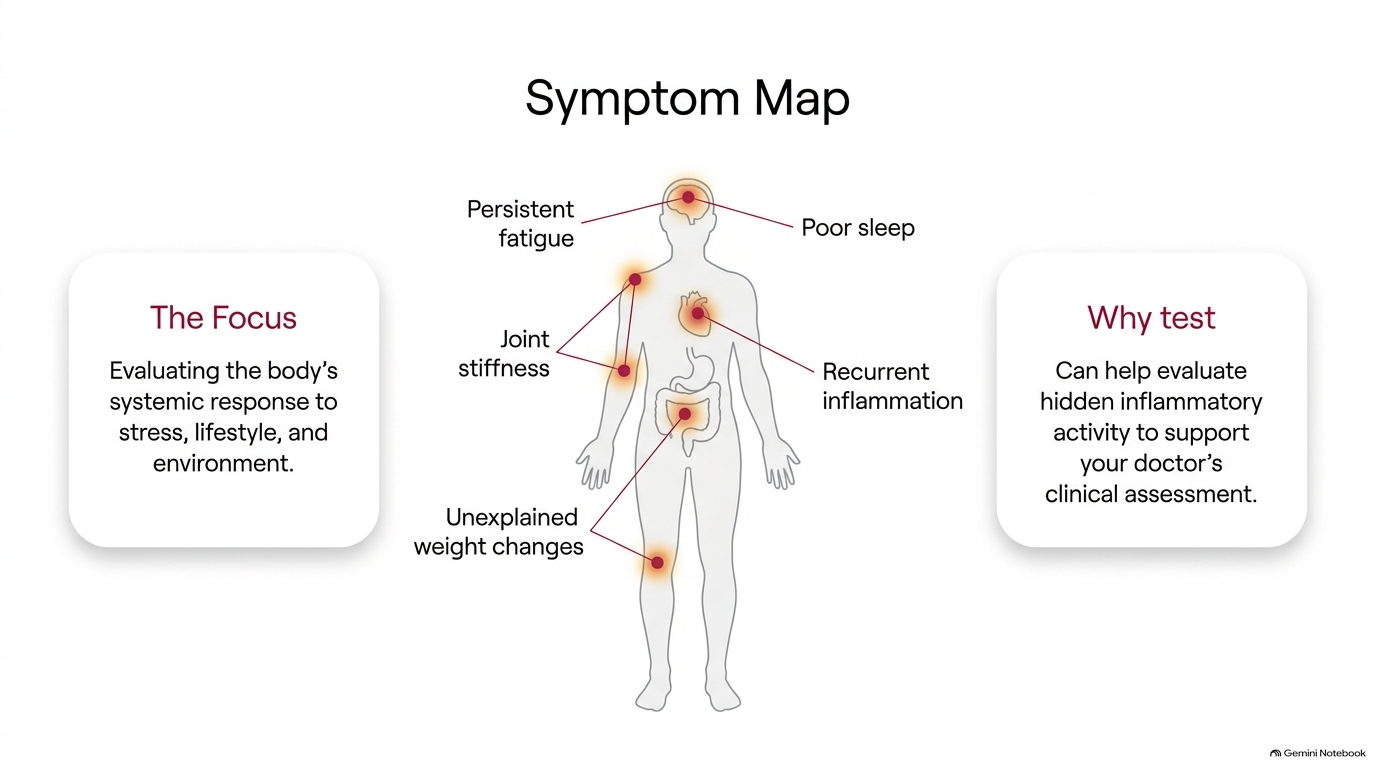
Inflammatory Burden Symptom Mapping
Evaluating the body’s systemic response to stress, lifestyle, and environment
Clinical Mechanisms & Biological Insights
- Cytokines like IL-6 signal the central nervous system to induce fatigue and sleep fragmentation.
- Subclinical vascular inflammation elevates cardiovascular and metabolic risk profiles.
Key Biomarkers Mapped in this Module
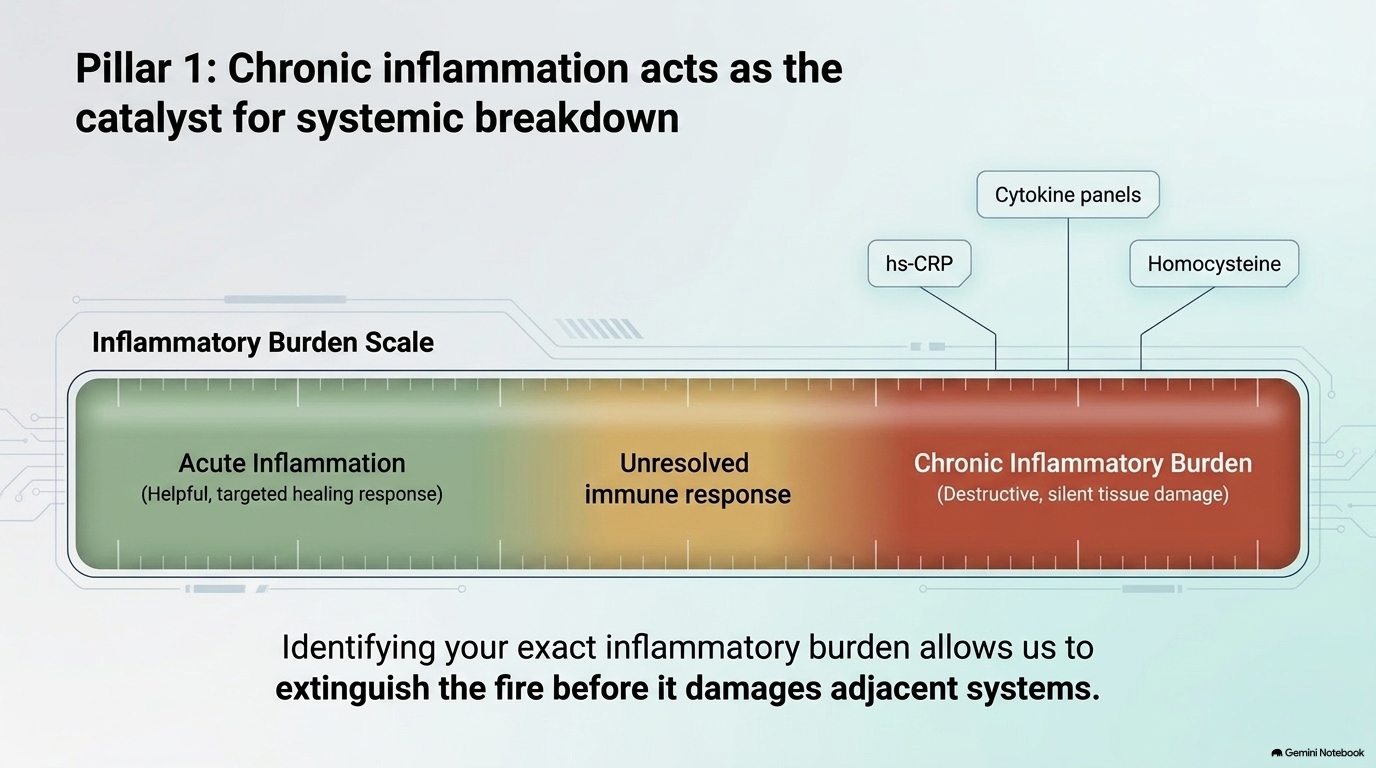
Chronic Inflammation as Systemic Catalyst
Inflammatory Burden Scale: From targeted acute healing to silent chronic tissue damage
Clinical Mechanisms & Biological Insights
- Acute phase reactants rise sharply during infection but normalize rapidly.
- Chronic inflammatory burden smolders sub-clinically, driving long-term metabolic and degenerative cascades.
Key Biomarkers Mapped in this Module
Core Diagnostic Biomarker Axes
Coordinated multi-pathway laboratory parameters evaluated across this biological pillar
IL-6, TNF-α
hs-CRP, Ferritin, Fibrinogen
CBC + ESR
ANA, RF, Anti-CCP, Procalcitonin, dsDNA, ANCA
Associated Clinical Indicators
Common systemic presentations associated with this pillar:
Inflammatory Burden Diagnostic Architecture
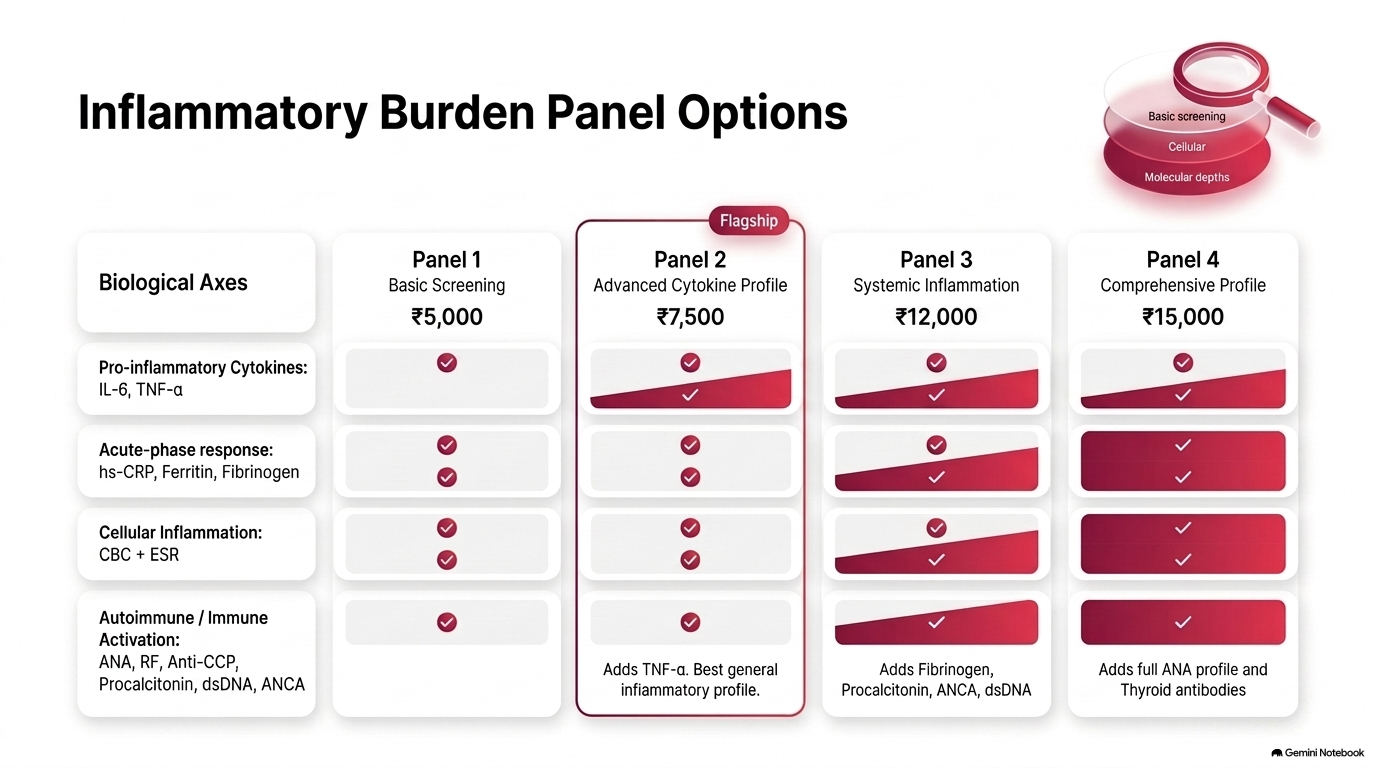
Key Included Biomarkers Across Tiers
- Tier 1 provides immediate cytokine baseline.
- Tier 4 rules out overlapping autoimmune and vasculitic drivers.
Explore Diagnostic Panels for Inflammatory Burden
Compare screening, advanced, and comprehensive panels with full parameter breakdowns.
Autoimmune Disease
“Mapping the precision of your immune targeting system”
Autoimmune conditions occur when the adaptive immune system loses self-tolerance, misidentifying host tissues as foreign threats. Reficio’s multi-tiered serological panel screens for autoantibodies spanning baseline ANA IFA to comprehensive line-blot ENA profiles.
Stage 1: Scientific & Biological Mechanisms
Sequential physiological and cellular decomposition from the canonical Reficio presentation
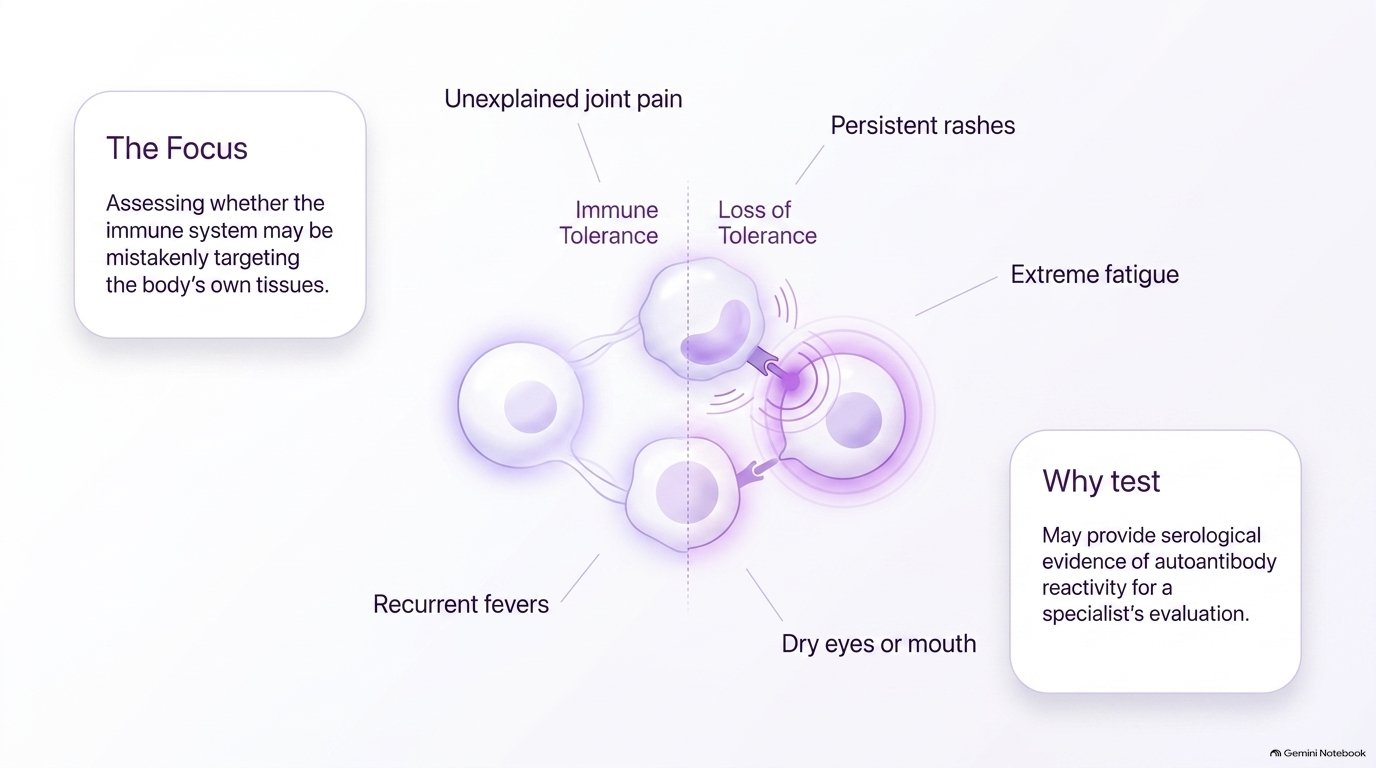
Autoimmune Disease Clinical Profile
Assessing whether the immune system may be mistakenly targeting the body’s own tissues
Clinical Mechanisms & Biological Insights
- Autoantibodies can circulate subclinically for up to 5–7 years prior to overt clinical disease.
- Early serological identification enables timely specialist rheumatology intervention.
Key Biomarkers Mapped in this Module
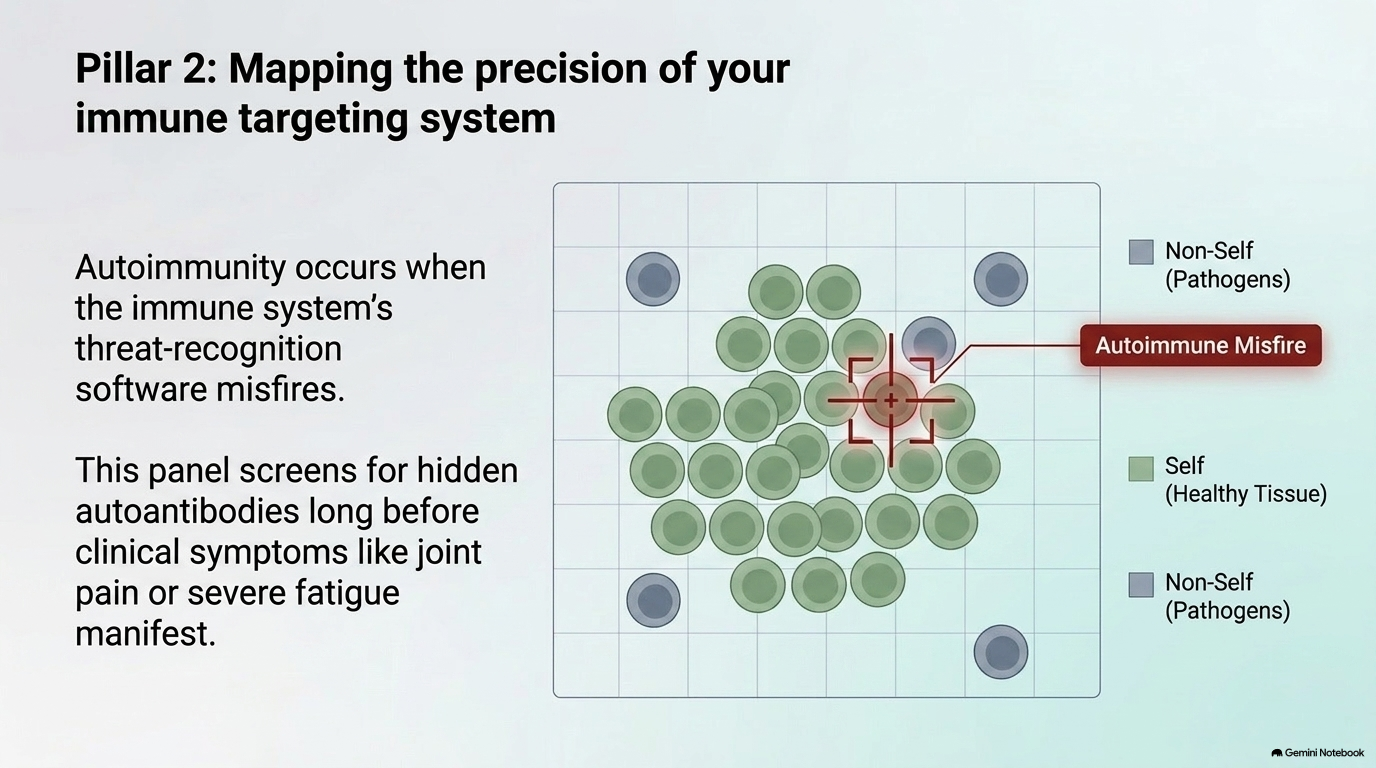
Mapping Immune Targeting Precision & Misfire
Threat-recognition software: Distinguishing healthy tissue from foreign pathogens
Clinical Mechanisms & Biological Insights
- ANA IFA on HEp-2 cells reveals distinct nuclear staining patterns (homogeneous, speckled, nucleolar, centromere).
- Complement C3 and C4 consumption indicates active immune-complex deposition.
Key Biomarkers Mapped in this Module
Core Diagnostic Biomarker Axes
Coordinated multi-pathway laboratory parameters evaluated across this biological pillar
ANA by IFA, Anti-dsDNA
ENA 17-Profile (SSA, SSB, Sm, RNP, Scl-70, Jo-1)
RF, Anti-CCP
Complement C3, C4, ANCA (p-ANCA, c-ANCA)
Associated Clinical Indicators
Common systemic presentations associated with this pillar:
Autoimmune Disease Diagnostic Architecture
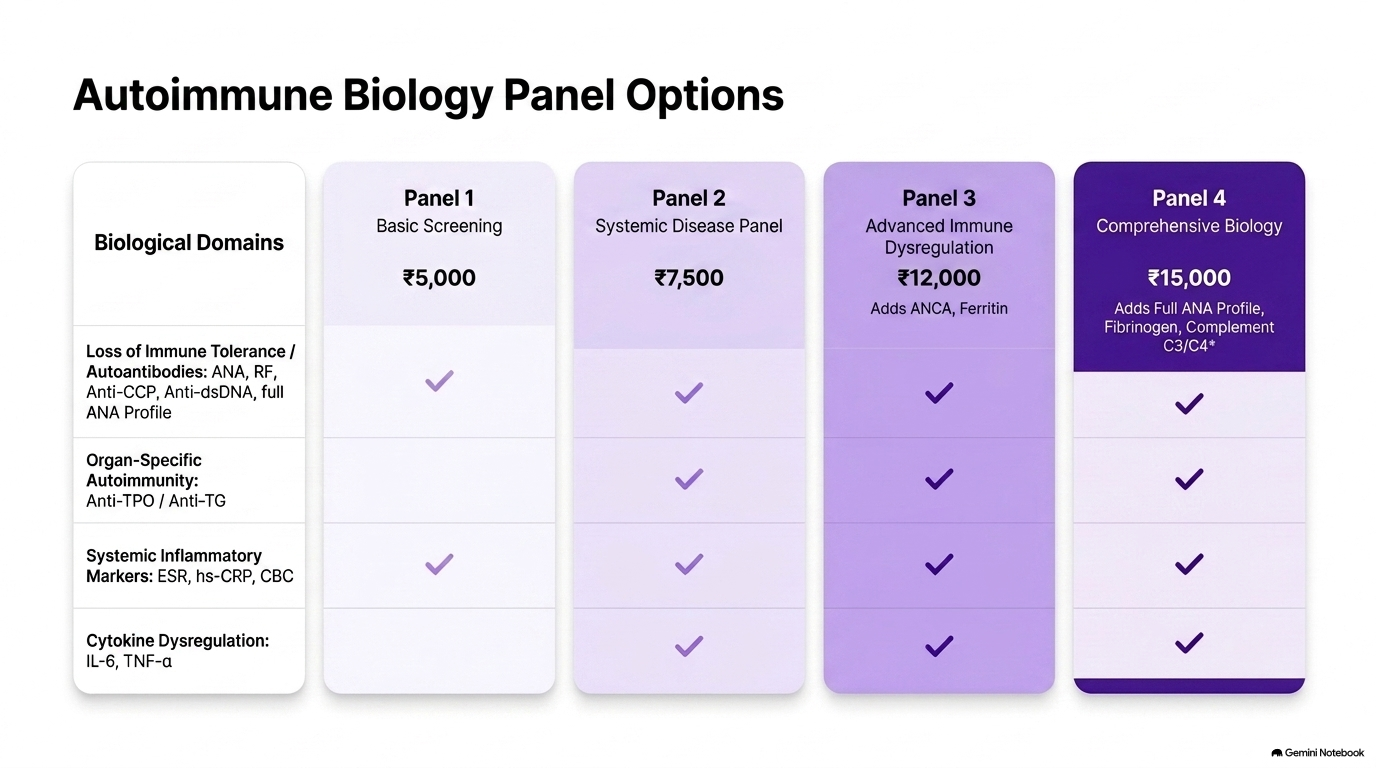
Key Included Biomarkers Across Tiers
- Gold standard IFA screening rules out non-specific positive ELISA screens.
- Line-blotting distinguishes Lupus, Scleroderma, Sjögren’s, and MCTD.
Explore Diagnostic Panels for Autoimmune Disease
Compare screening, advanced, and comprehensive panels with full parameter breakdowns.
Endocrine Disorders
“Tracking the hormonal cascade through the HPA axis”
The endocrine system orchestrates metabolism, energy expenditure, and stress adaptation through feedback loops between the hypothalamus, pituitary, thyroid, adrenals, and gonads. Reficio’s matrix profiles hormonal kinetics across multiple interconnected glands.
Stage 1: Scientific & Biological Mechanisms
Sequential physiological and cellular decomposition from the canonical Reficio presentation
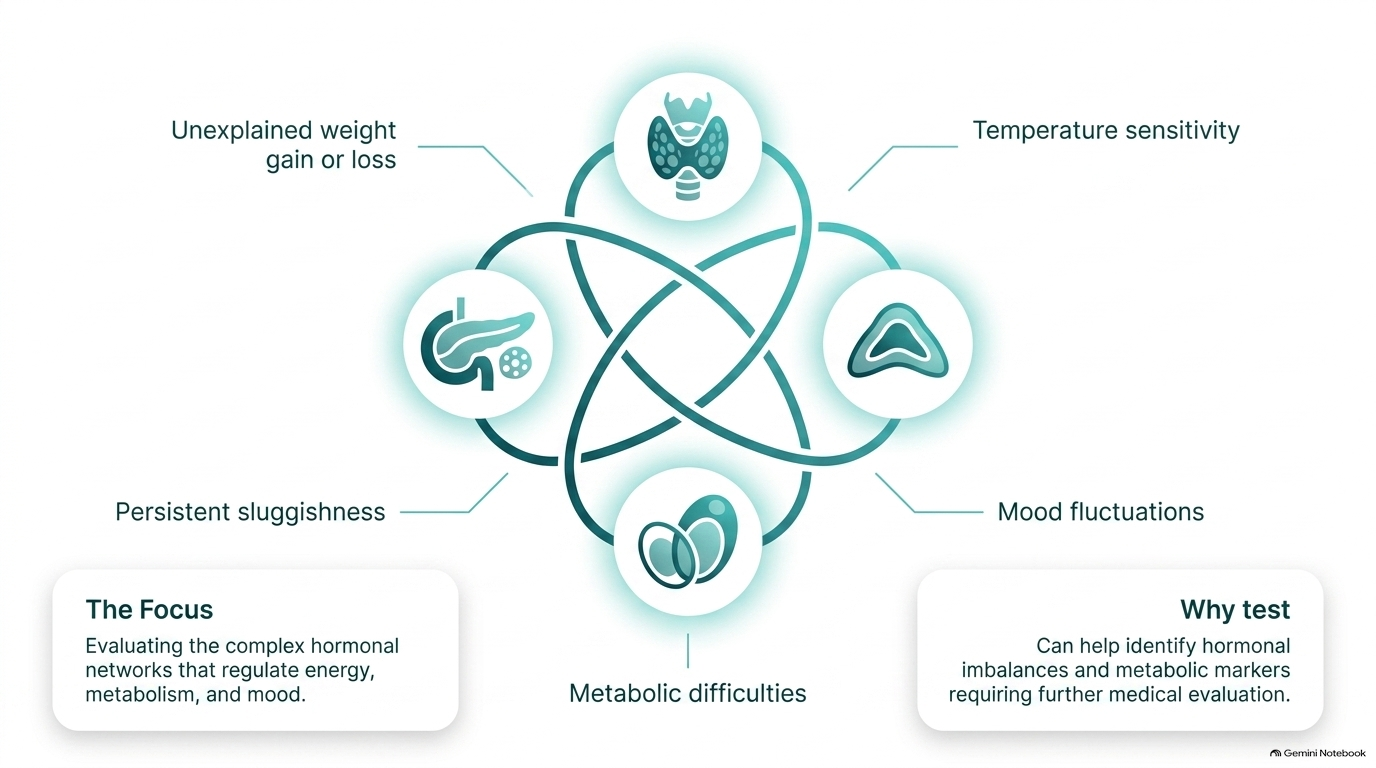
Endocrine Disorders Clinical Overview
Evaluating the complex hormonal networks regulating energy, metabolism, and vitality
Clinical Mechanisms & Biological Insights
- TSH alone can miss peripheral T4-to-T3 conversion deficiencies.
- Fasting insulin detects beta-cell hyperinsulinemia years prior to glycemic elevation.
Key Biomarkers Mapped in this Module
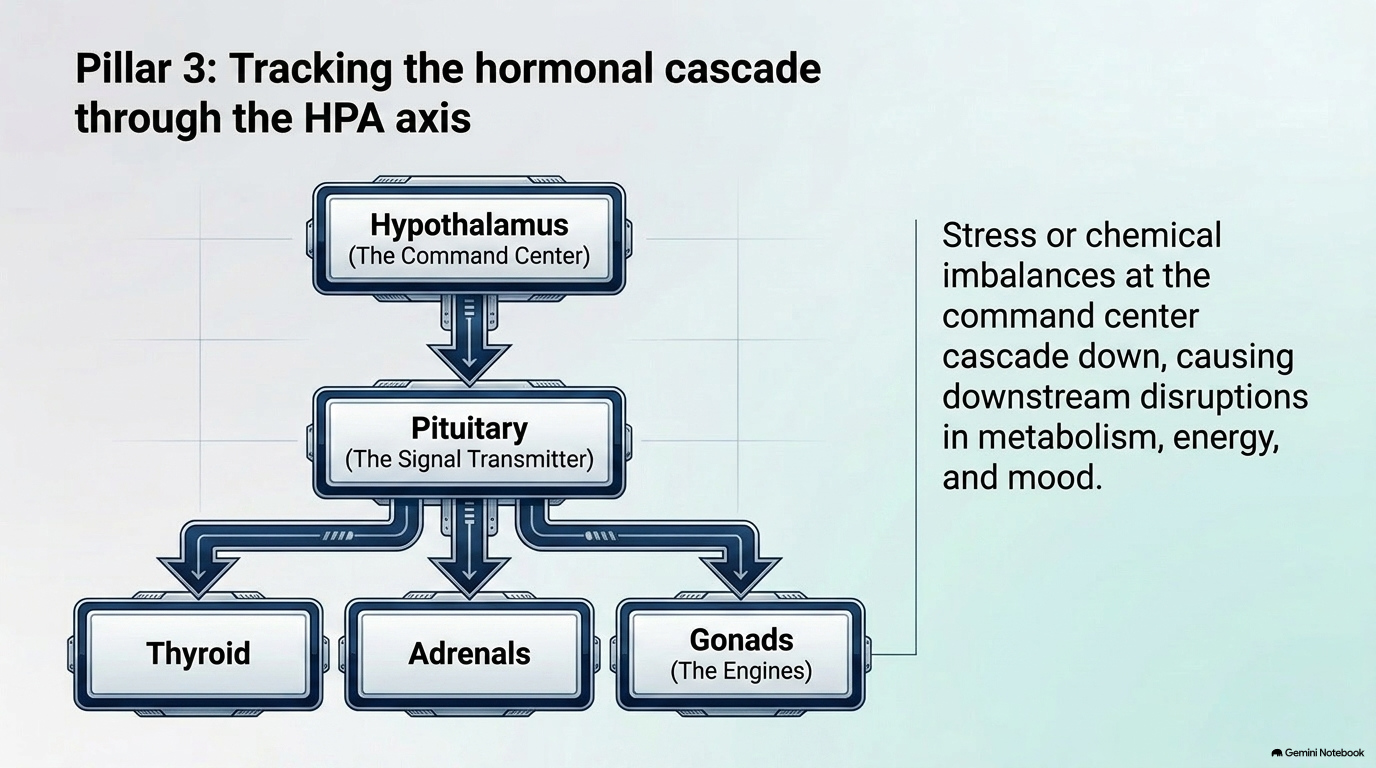
The Hormonal Cascade & HPA Stress Axis
The Command Center: From Hypothalamus and Pituitary to Peripheral Glands
Clinical Mechanisms & Biological Insights
- Cortisol follows a strict circadian rhythm, peaking 30-45 minutes after waking.
- Chronic HPA axis hyperactivity promotes central adiposity and insulin resistance.
Key Biomarkers Mapped in this Module
Core Diagnostic Biomarker Axes
Coordinated multi-pathway laboratory parameters evaluated across this biological pillar
TSH, Free T3, Free T4, Anti-TPO
Fasting Glucose, Fasting Insulin, HbA1c, HOMA-IR
Morning Cortisol (8 AM), DHEAS
Total Testosterone, Estradiol, Prolactin, LH, FSH
Associated Clinical Indicators
Common systemic presentations associated with this pillar:
Endocrine Disorders Diagnostic Architecture
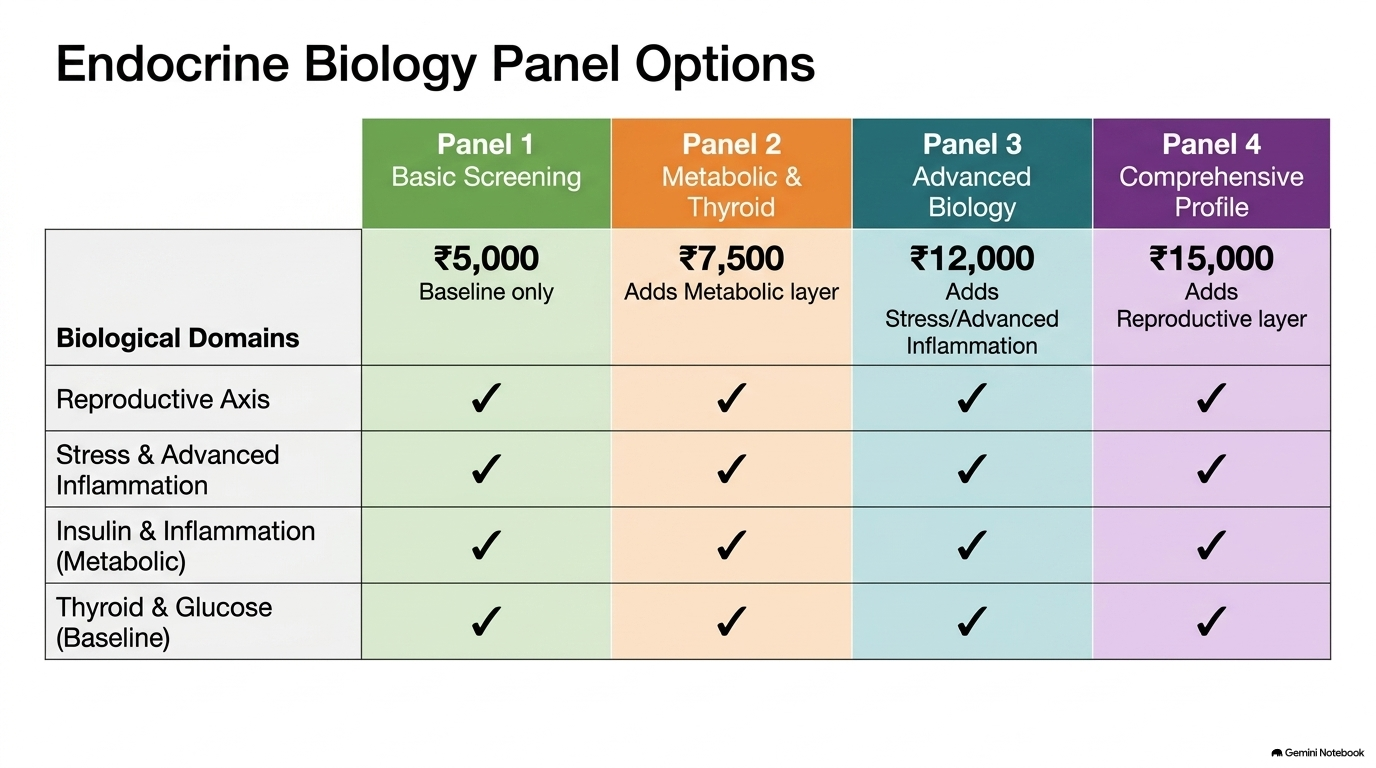
Key Included Biomarkers Across Tiers
- Tier 2 is essential for metabolic syndrome and insulin resistance profiling.
- Tier 4 maps complete adrenal-thyroid-gonadal harmony.
Explore Diagnostic Panels for Endocrine Disorders
Compare screening, advanced, and comprehensive panels with full parameter breakdowns.
Hair Fall & Cellular Nutrition
“Decoding hair fall as a systemic biological signal”
Hair follicle matrix cells possess one of the highest mitotic turnover rates in human biology, making them exceptionally sensitive to micronutrient deficiencies, thyroid imbalances, androgen receptor sensitivity, and systemic stress.
Stage 1: Scientific & Biological Mechanisms
Sequential physiological and cellular decomposition from the canonical Reficio presentation
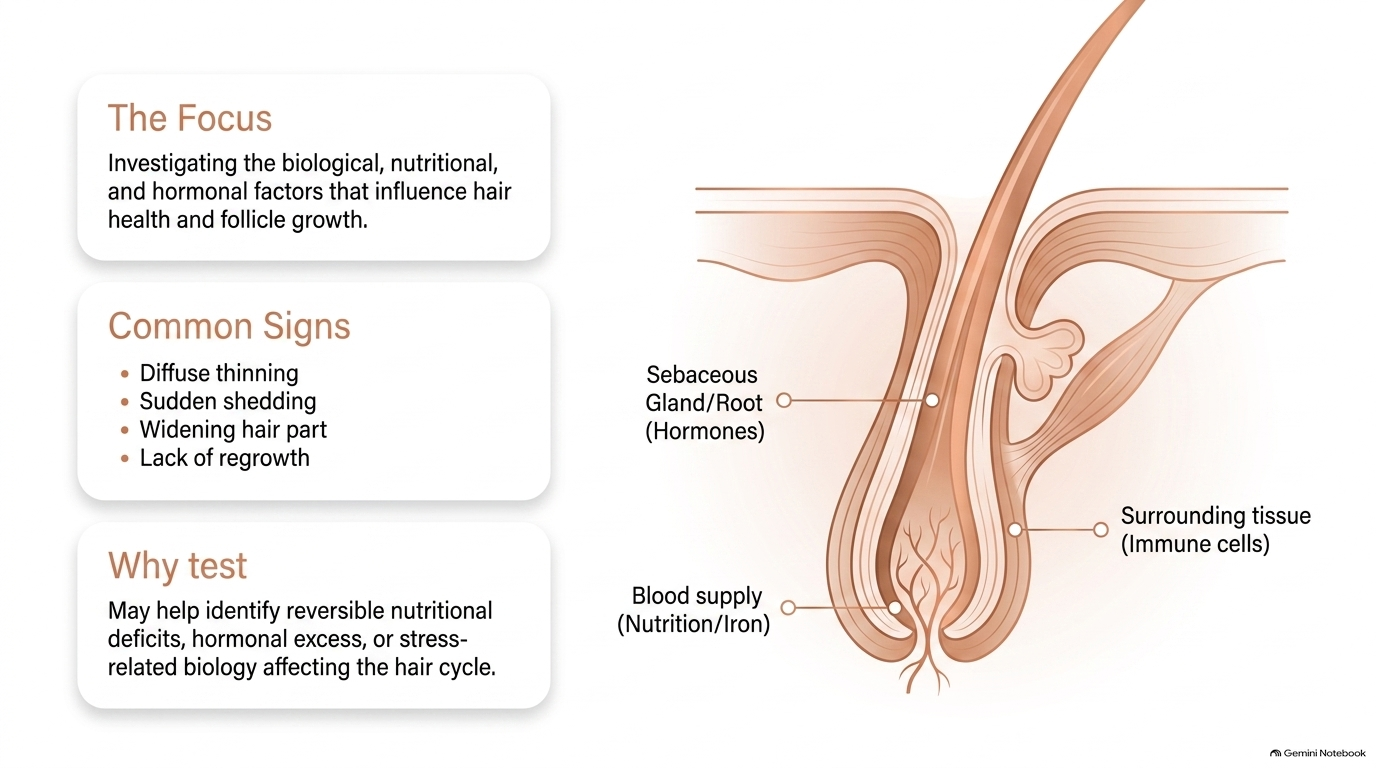
Hair Fall Biological Overview
Investigating biological, nutritional, and hormonal factors governing follicular growth
Clinical Mechanisms & Biological Insights
- Serum iron can appear normal while cellular ferritin stores are completely depleted.
- Ferritin levels > 50-70 ng/mL are clinically recognized as necessary for optimal hair regrowth.
Key Biomarkers Mapped in this Module
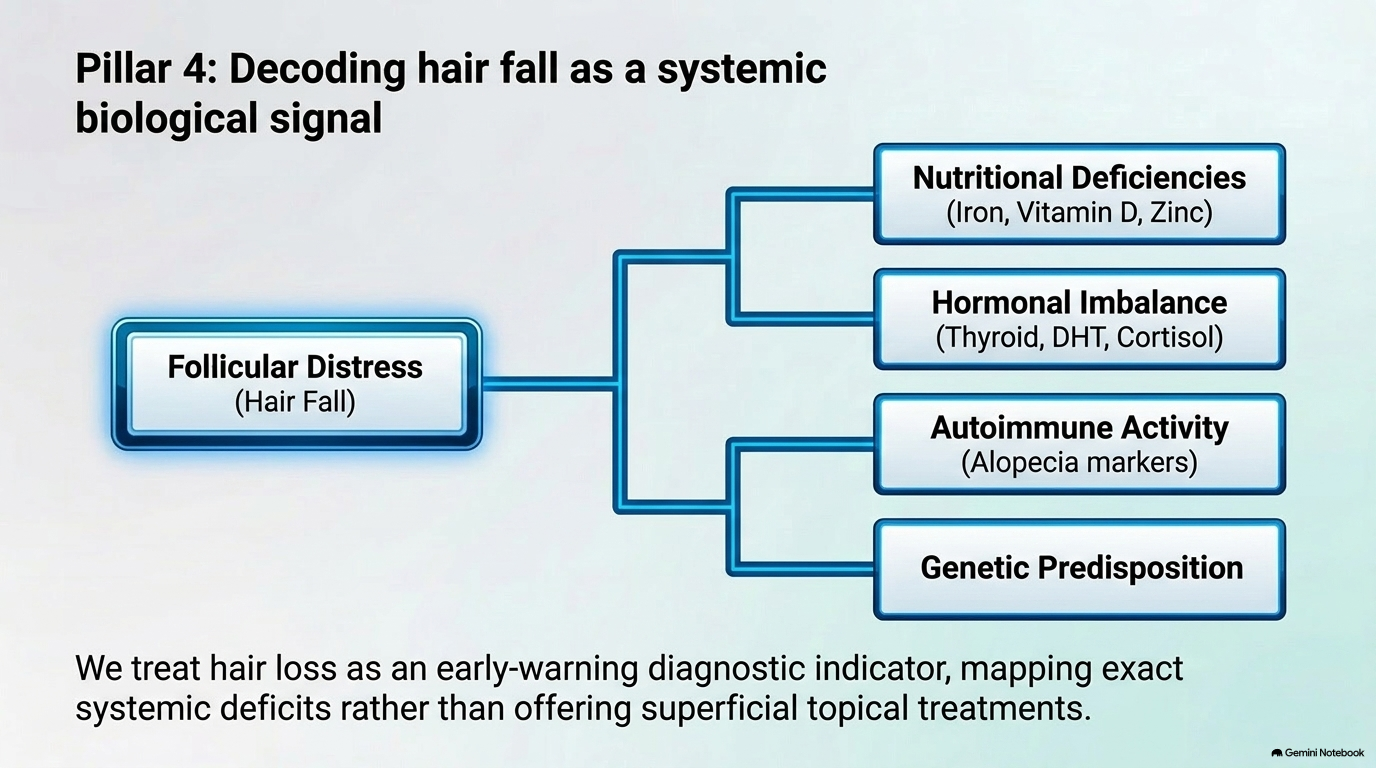
Follicular Cycling & Root Cause Biology
Mapping systemic deficits: Nutrition, Hormones, Autoimmunity, and Stress
Clinical Mechanisms & Biological Insights
- Elevated cortisol suppresses follicular proteoglycan synthesis.
- Androgens accelerate miniaturization in genetically susceptible follicles.
Key Biomarkers Mapped in this Module
Core Diagnostic Biomarker Axes
Coordinated multi-pathway laboratory parameters evaluated across this biological pillar
Serum Ferritin, Iron, TIBC, Transferrin Saturation, CBC
Zinc, Vitamin D (25-OH), Vitamin B12, Serum Copper
TSH, Free T3, Free T4, Morning Cortisol
Total Testosterone, Free Testosterone, DHEAS, ANA IFA
Associated Clinical Indicators
Common systemic presentations associated with this pillar:
Hair Fall Diagnostic Architecture
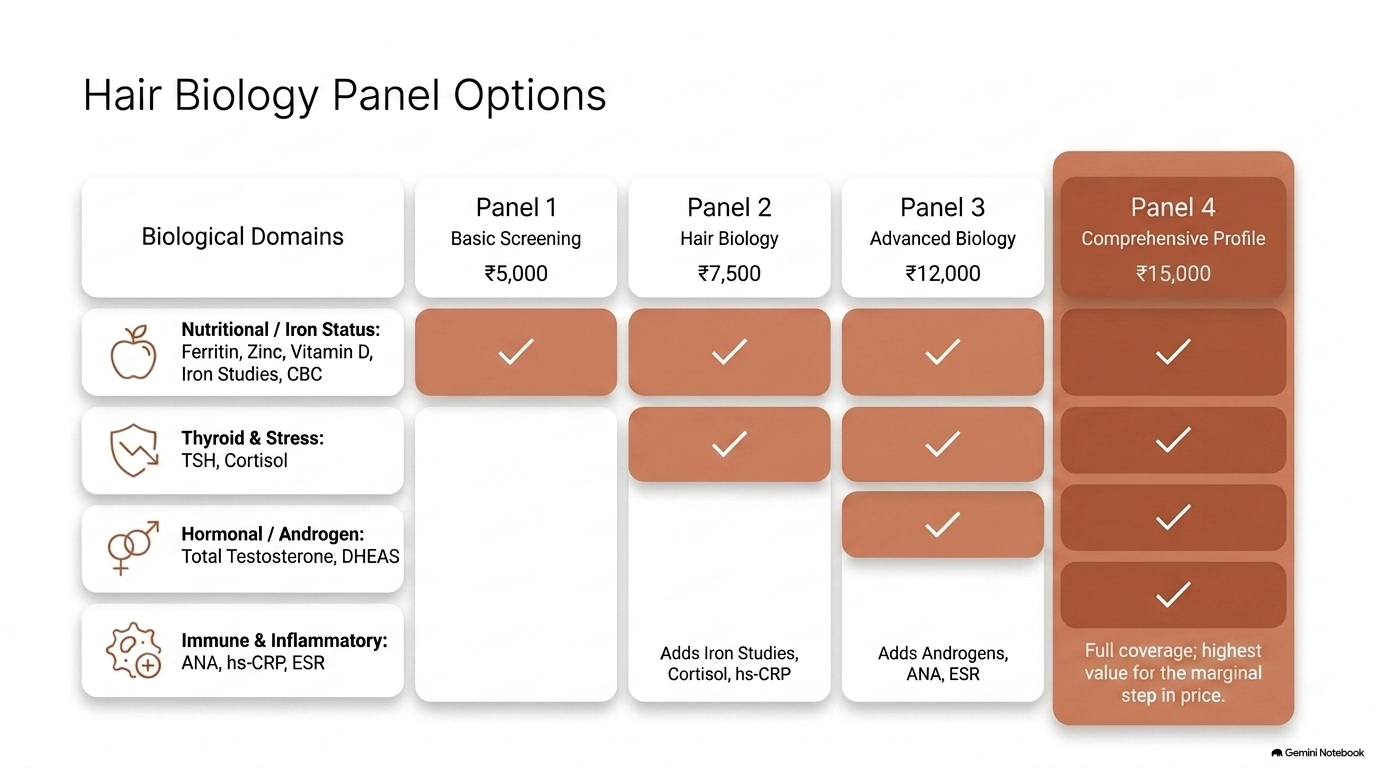
Key Included Biomarkers Across Tiers
- Tier 2 isolates nutritional and endocrine triggers for telogen effluvium.
- Tier 4 provides a complete trichology diagnostic blueprint.
Explore Diagnostic Panels for Hair Fall & Cellular Nutrition
Compare screening, advanced, and comprehensive panels with full parameter breakdowns.
Ageing Biology & Longevity
“Quantifying the variance between chronological and biological age”
Biological ageing is characterized by cellular senescence accumulation, mitochondrial inefficiency, stem cell exhaustion, and chronic sterile inflammation (inflammaging). Reficio benchmarks cellular health via SASP cytokines and metabolic regulators.
Stage 1: Scientific & Biological Mechanisms
Sequential physiological and cellular decomposition from the canonical Reficio presentation
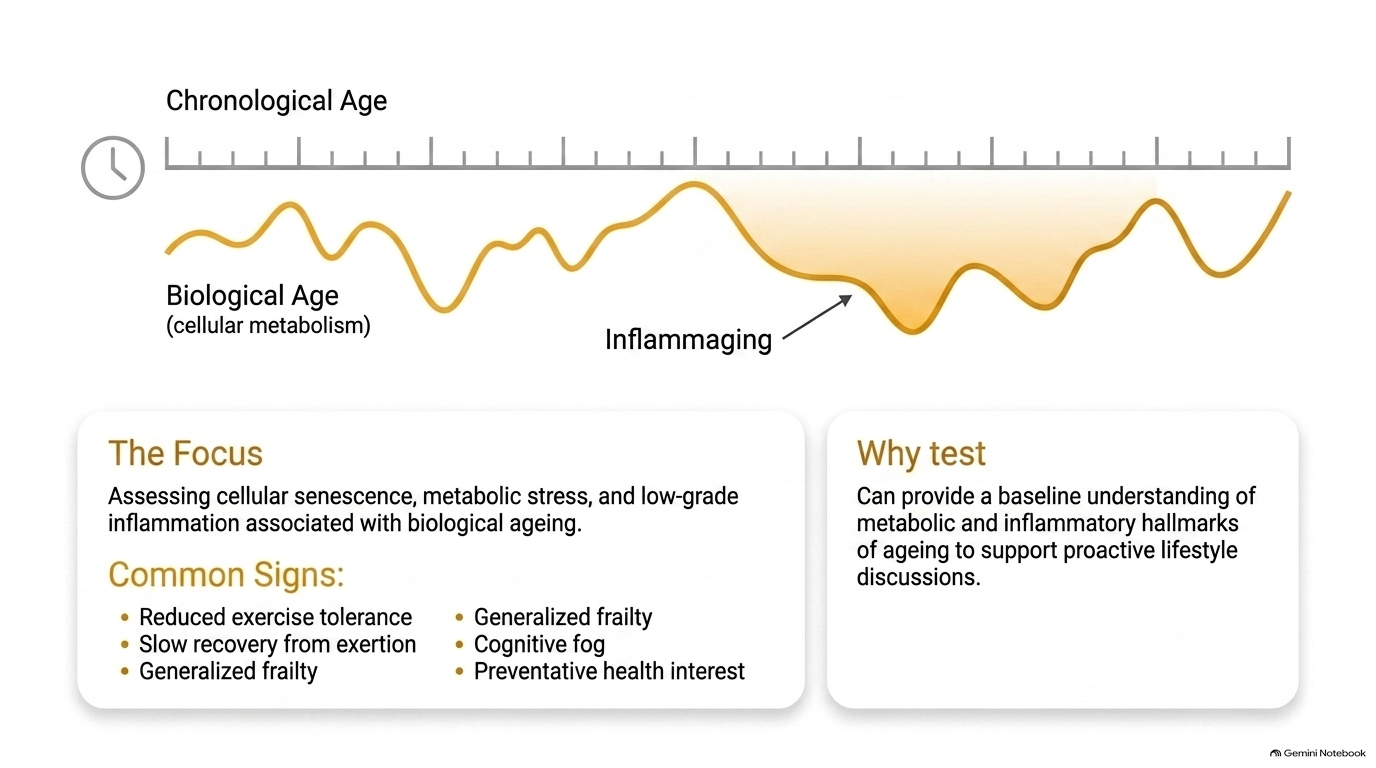
Ageing Biology & Cellular Senescence Overview
Assessing cellular wear, metabolic stress, and inflammaging hallmarks
Clinical Mechanisms & Biological Insights
- Senescent cells resist apoptosis and secrete toxic SASP factors into neighboring tissues.
- Inflammaging accelerates vascular stiffness and neurodegenerative decline.
Key Biomarkers Mapped in this Module
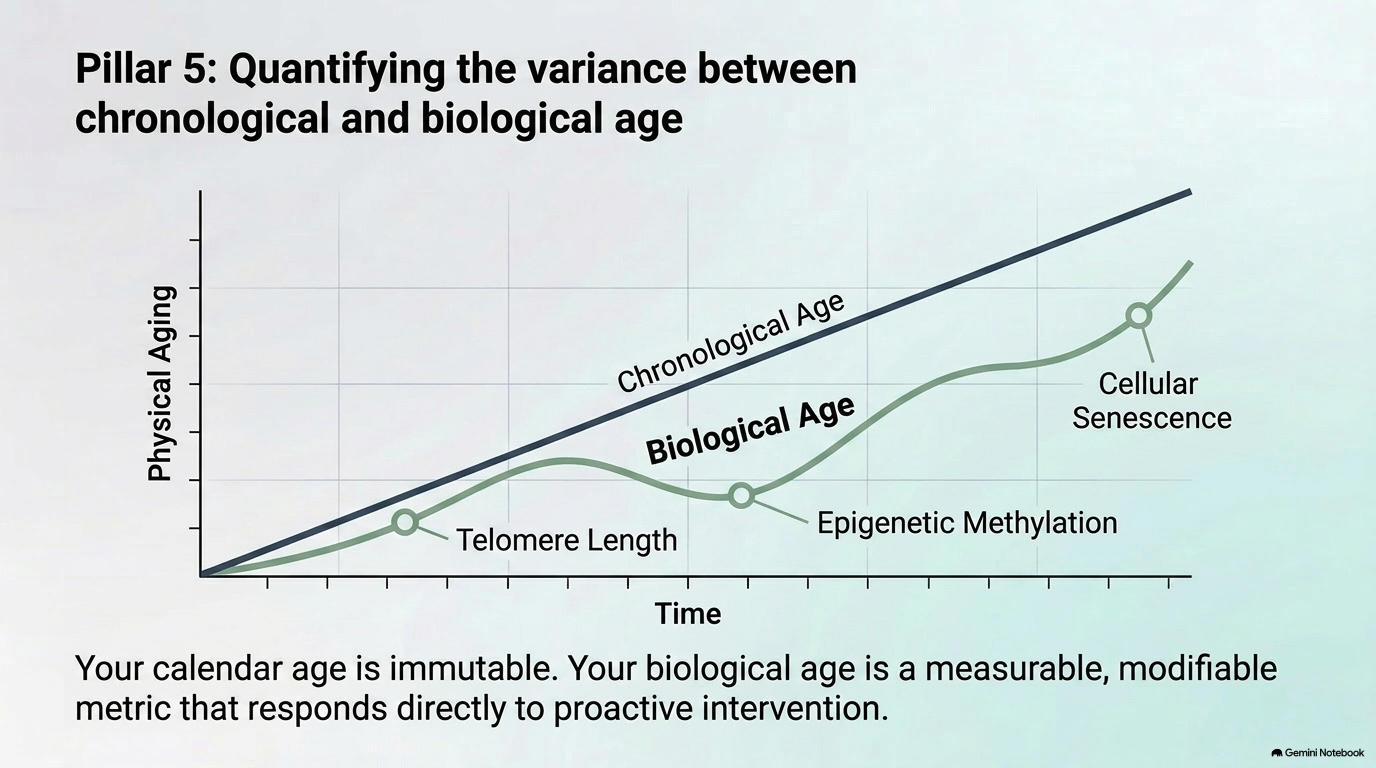
Quantifying Chronological vs Biological Age Variance
Modifiable Hallmarks: Telomeres, Epigenetics, Mitochondrial Stress, and SASP
Clinical Mechanisms & Biological Insights
- FGF-21 elevation correlates with mitochondrial stress and metabolic compensation.
- DHEAS decline serves as a classic endocrine biomarker of adrenopause and ageing.
Key Biomarkers Mapped in this Module
Core Diagnostic Biomarker Axes
Coordinated multi-pathway laboratory parameters evaluated across this biological pillar
IL-6, TNF-α, hs-CRP
FGF-21 (Fibroblast Growth Factor 21), Fasting Insulin, HbA1c
Homocysteine, Vitamin B12, Serum Folate, Vitamin D
Apolipoprotein A1, B, Morning Cortisol, DHEAS
Associated Clinical Indicators
Common systemic presentations associated with this pillar:
Ageing Biology Diagnostic Architecture
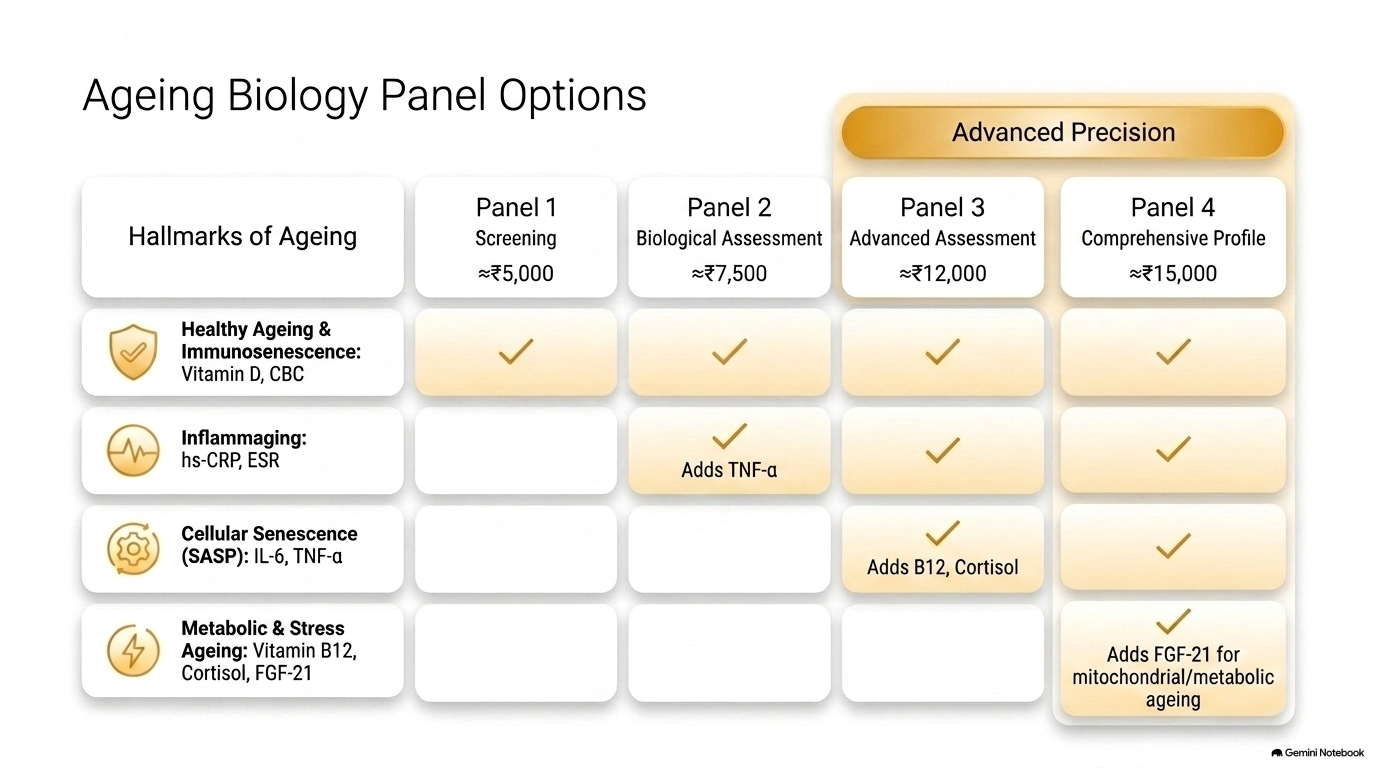
Key Included Biomarkers Across Tiers
- Tier 2 evaluates fundamental inflammaging burden.
- Tier 4 integrates mitochondrial, metabolic, and senescence biomarkers for complete healthspan tracking.
Explore Diagnostic Panels for Ageing Biology & Longevity
Compare screening, advanced, and comprehensive panels with full parameter breakdowns.
Female Infertility & Reproductive Health
“Uncovering the systemic blocks to female fertility”
Successful conception and embryo implantation require synchronized dialogue between the hypothalamic-pituitary-ovarian axis, endometrial receptivity, and maternal immune tolerance. Reficio profiles ovarian reserve, ovulatory kinetics, and implantation barriers.
Stage 1: Scientific & Biological Mechanisms
Sequential physiological and cellular decomposition from the canonical Reficio presentation
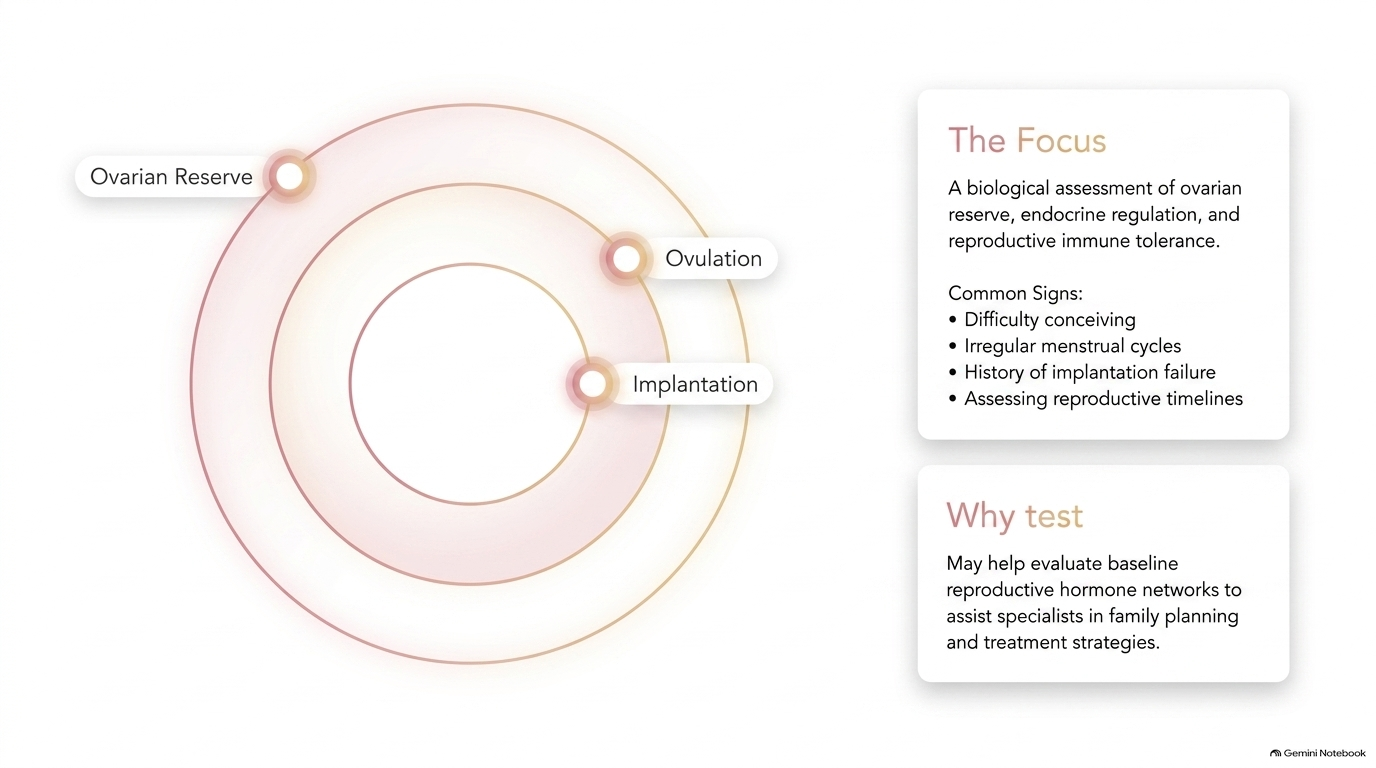
Female Infertility Biology Overview
Biological assessment of ovarian reserve, endocrine balance, and implantation tolerance
Clinical Mechanisms & Biological Insights
- AMH levels reflect the growing follicular pool and remain relatively stable across cycle phases.
- FSH and Estradiol on Day 2/3 evaluate basal pituitary-ovarian feedback.
Key Biomarkers Mapped in this Module
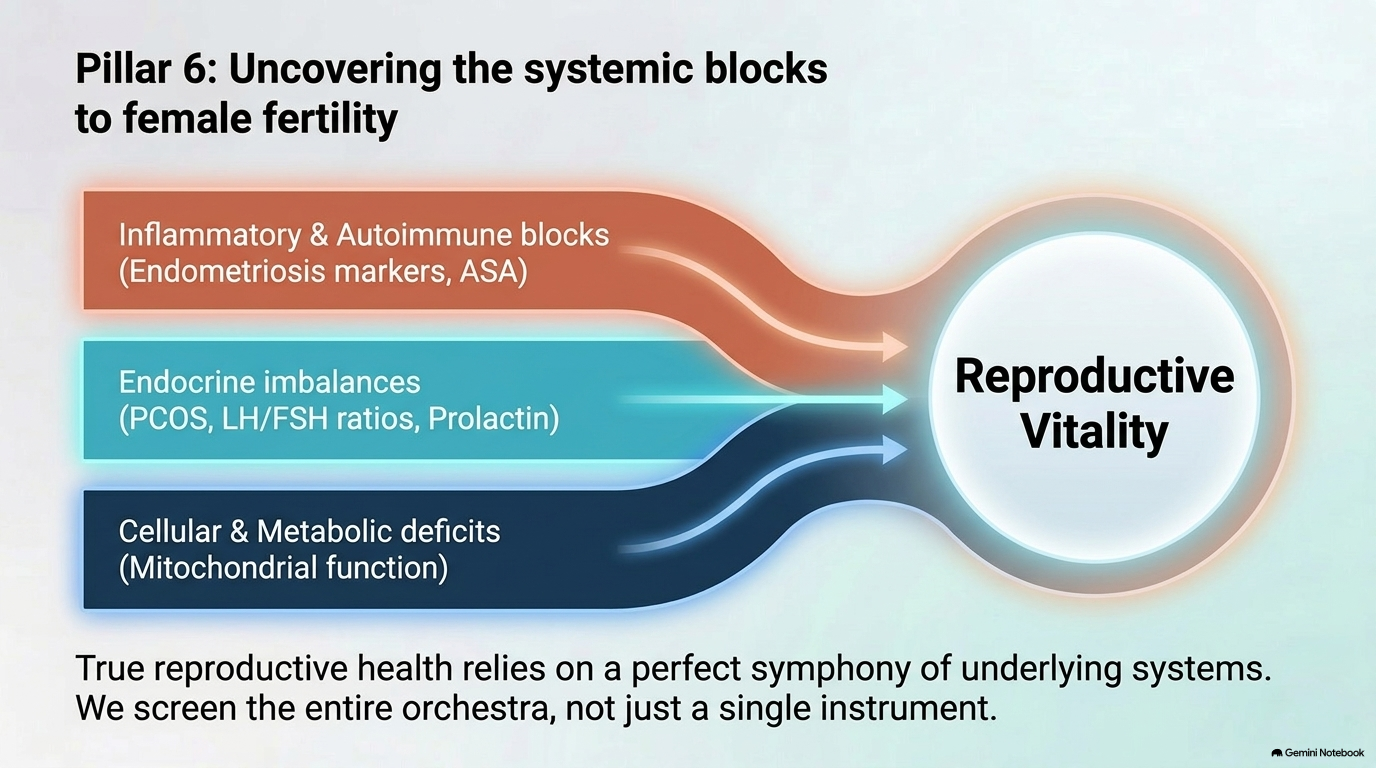
Uncovering Systemic Blocks to Fertility
The Biological Orchestra: Endocrine, Inflammatory, Autoimmune, and Metabolic Harmony
Clinical Mechanisms & Biological Insights
- Subclinical thyroid autoimmunity (Anti-TPO) increases early pregnancy loss risk.
- Elevated inflammatory cytokines impair endometrial receptivity during the implantation window.
Key Biomarkers Mapped in this Module
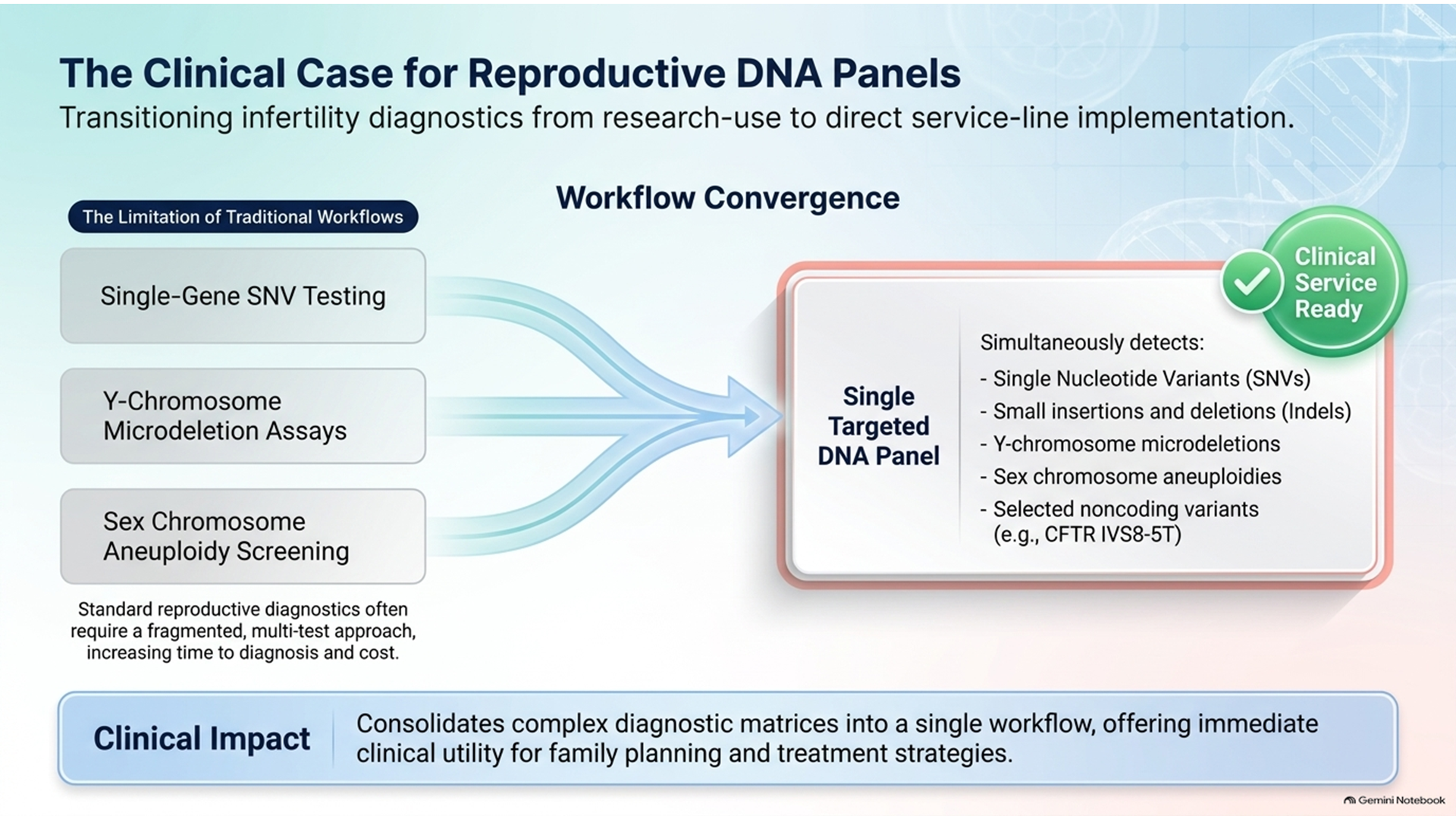
Reproductive Genomics: Clinical Case for DNA Panels
Workflow convergence: Karyotyping, microarrays, and targeted sequencing in reproductive medicine
Key Biomarkers Mapped in this Module
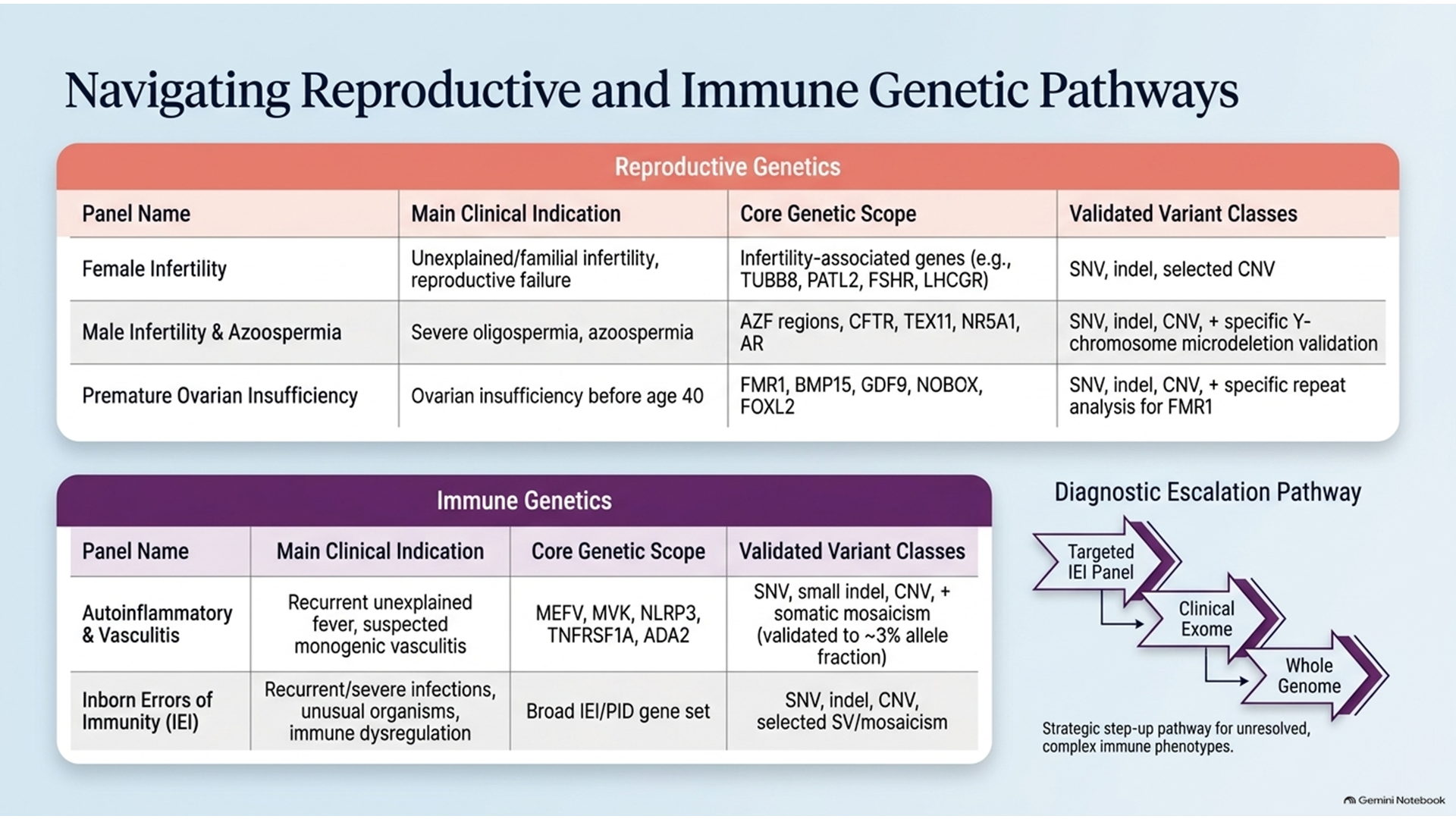
Navigating Reproductive & Immune Genetic Pathways
Thrombophilia, immunological tolerance, and implantation receptor genetics
Key Biomarkers Mapped in this Module
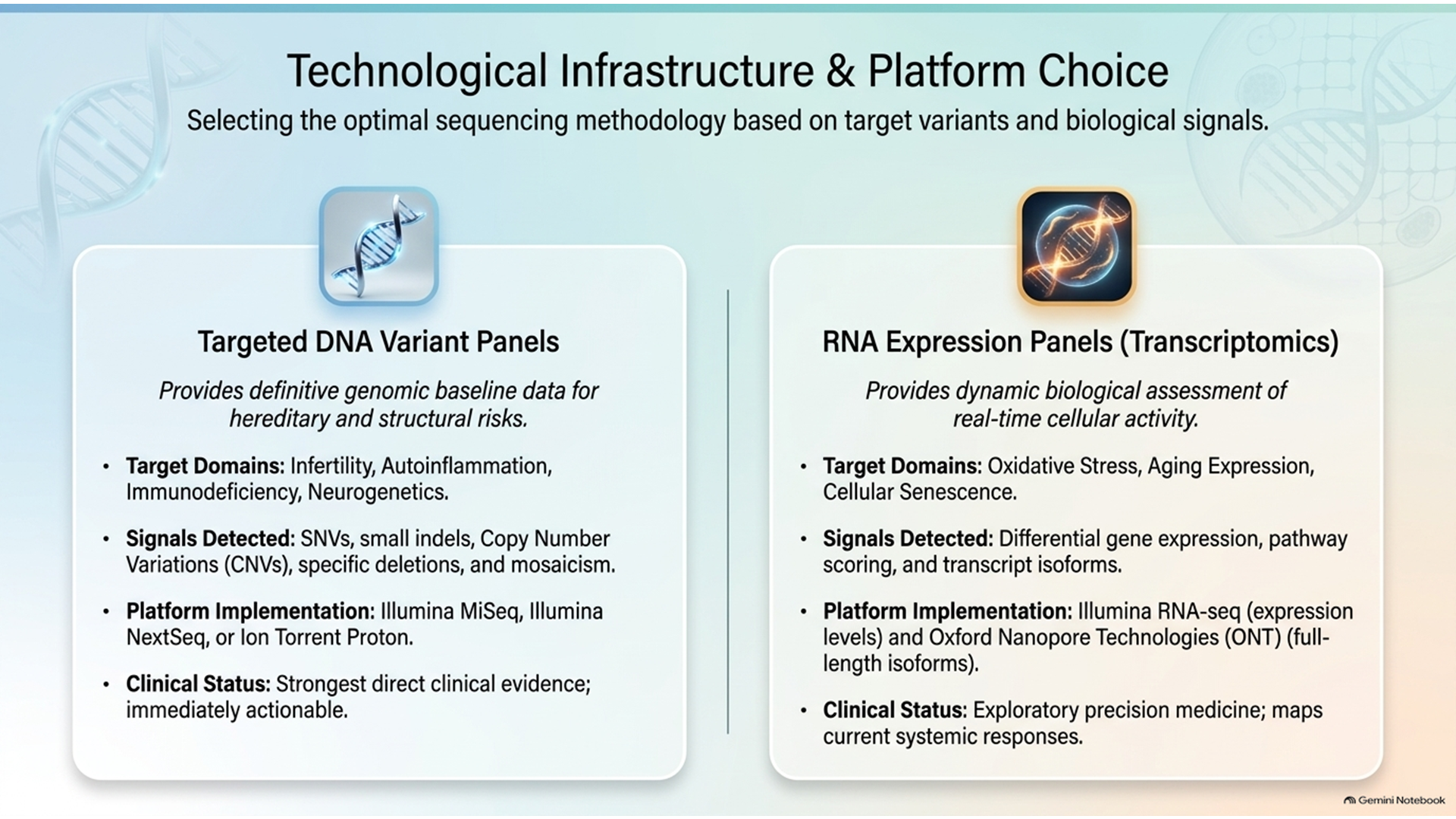
Technological Infrastructure & Platform Choice
Targeted DNA variant panels vs RNA expression profiling in reproductive workups
Key Biomarkers Mapped in this Module
Core Diagnostic Biomarker Axes
Coordinated multi-pathway laboratory parameters evaluated across this biological pillar
AMH (Anti-Müllerian Hormone), FSH (Day 2/3), Estradiol (E2)
LH, Prolactin, Mid-Luteal Progesterone (Day 21)
TNF-α, IL-6, hs-CRP, Vitamin D
TSH, Free T3, Free T4, Anti-TPO, Antiphospholipid Screen
Associated Clinical Indicators
Common systemic presentations associated with this pillar:
Female Infertility Diagnostic Architecture
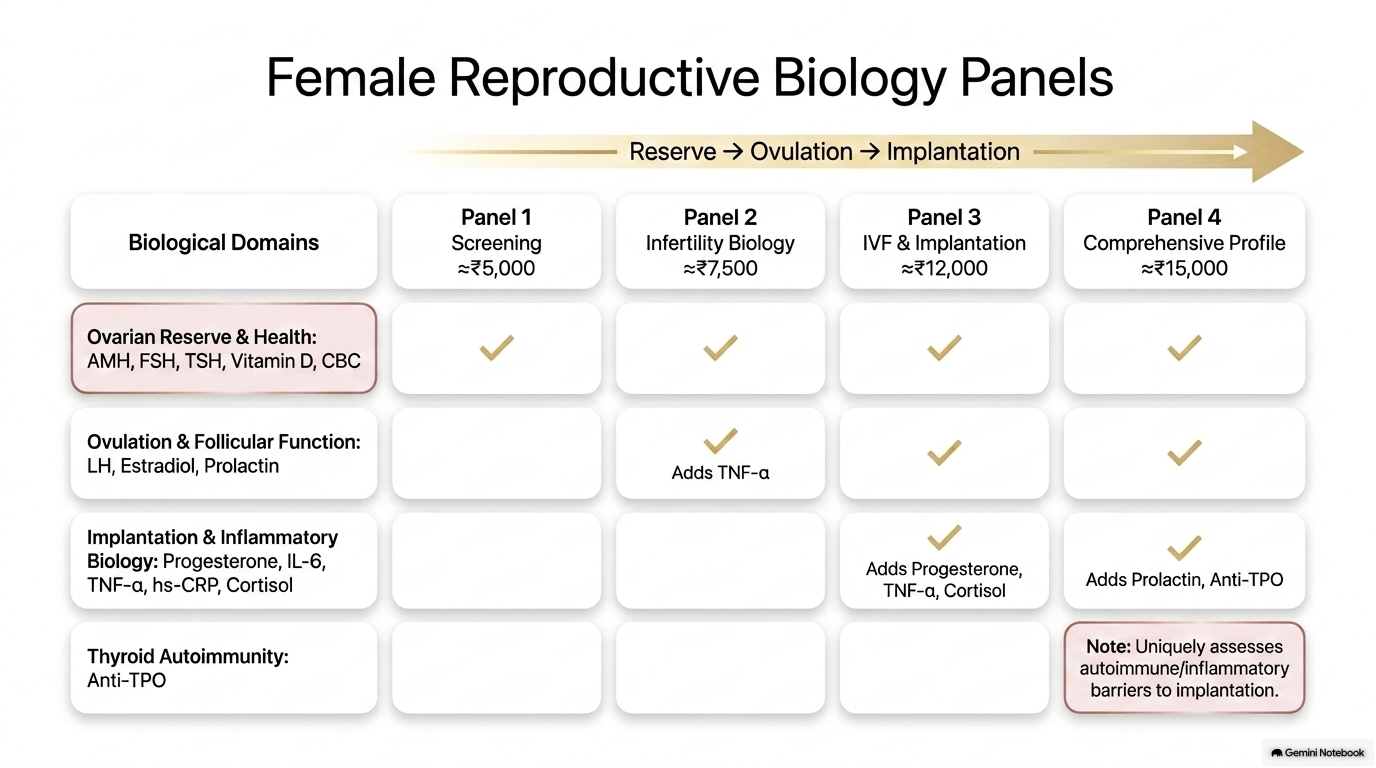
Key Included Biomarkers Across Tiers
- Tier 1 confirms ovarian reserve baseline.
- Tier 3 and 4 evaluate ovulatory confirmation and immune implantation readiness.
Explore Diagnostic Panels for Female Infertility & Reproductive Health
Compare screening, advanced, and comprehensive panels with full parameter breakdowns.
NGS & Precision Oncology
“Decoding cancer at the molecular level: Liquid biopsies & targeted genomics”
Next-Generation Sequencing provides massively parallel genomic profiling to identify actionable oncogenic drivers, familial cancer predispositions (HBOC, Lynch Syndrome), and circulating tumor DNA (ctDNA) for liquid biopsy theranostics.
Stage 1: Scientific & Biological Mechanisms
Sequential physiological and cellular decomposition from the canonical Reficio presentation
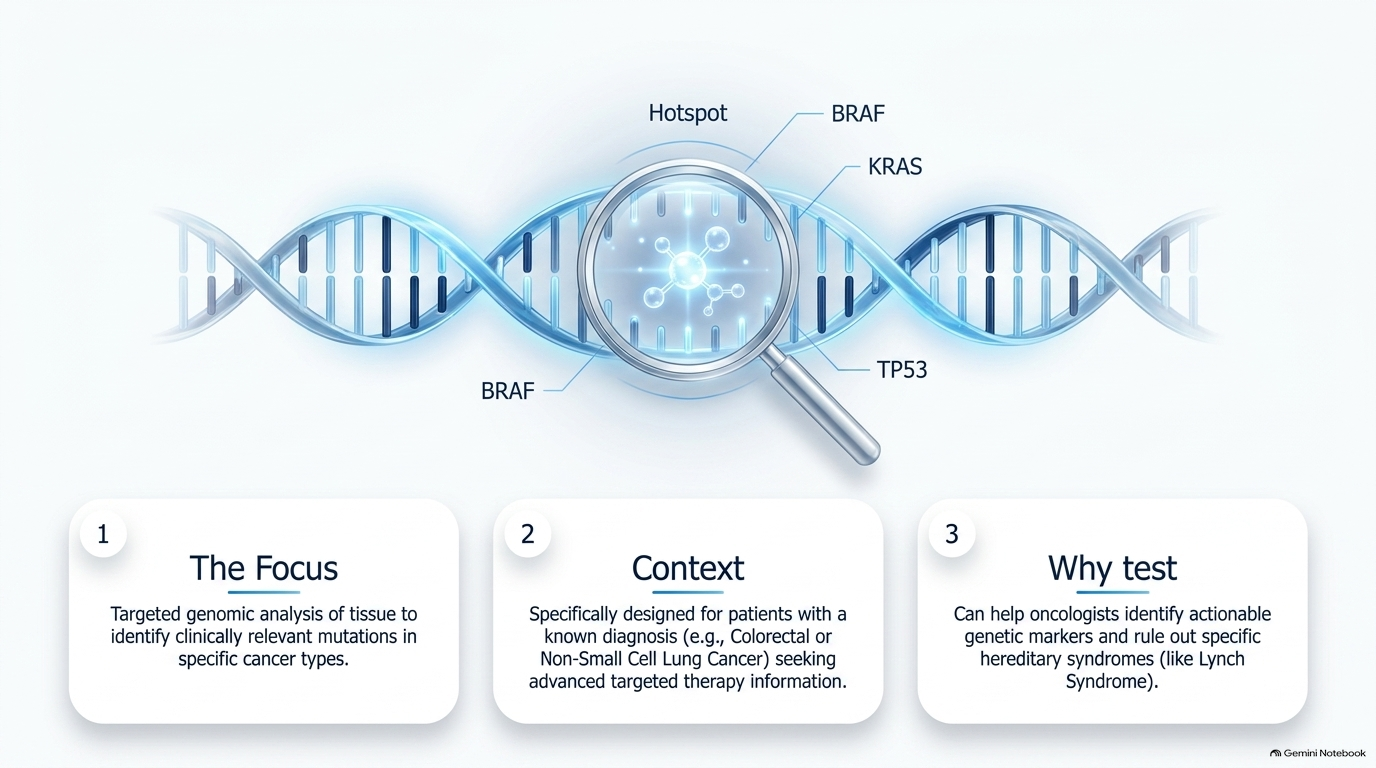
NGS & Cancer Risk Clinical Overview
Targeted genomic analysis of tissue and blood for actionable oncogenic mutations
Clinical Mechanisms & Biological Insights
- High depth (>10,000x) liquid biopsy sequencing detects low-frequency circulating tumor DNA in peripheral blood.
- Germline testing identifies inheritable variants requiring cascade familial screening.
Key Biomarkers Mapped in this Module
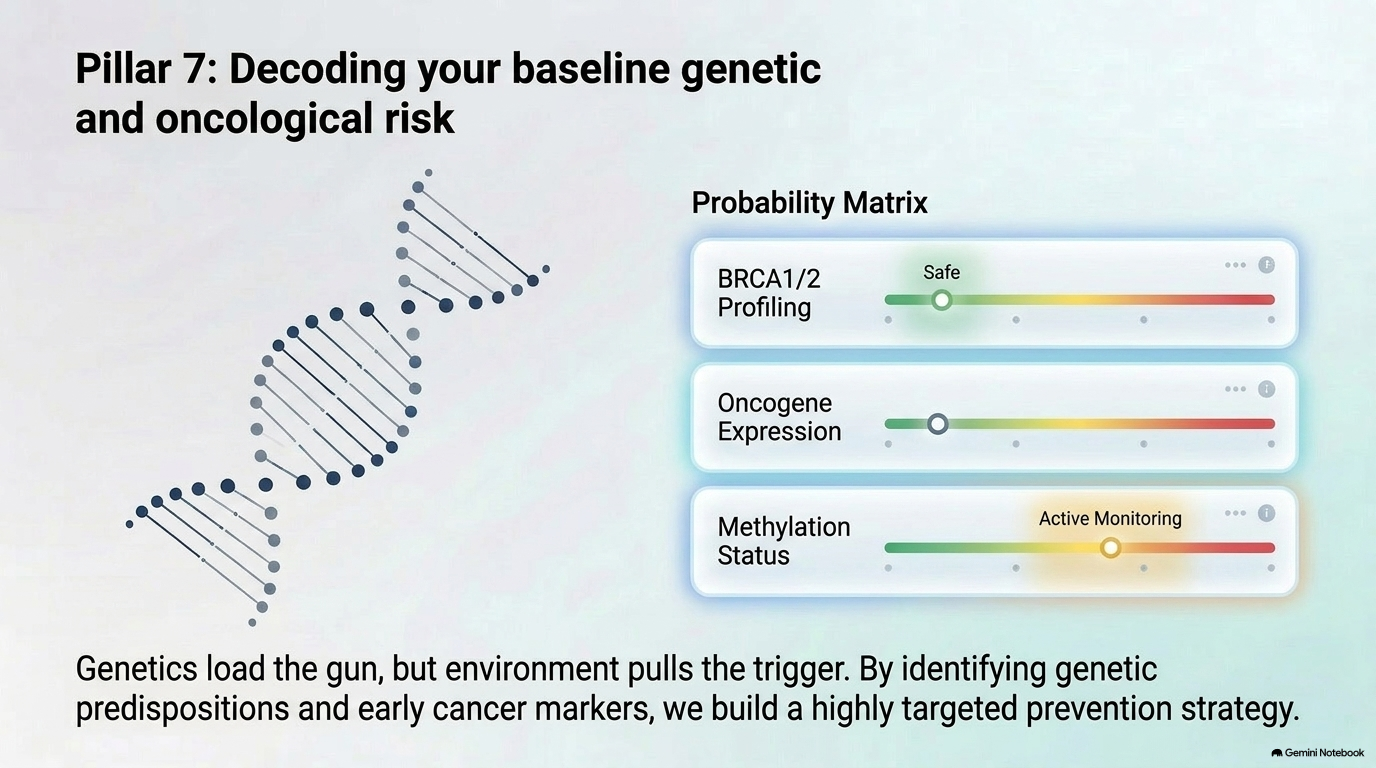
Decoding Genetic & Oncological Risk Architecture
From Inherited Predisposition to Somatic Driver Mutations
Clinical Mechanisms & Biological Insights
- ACMG/AMP guidelines categorize genomic variants as Pathogenic, Likely Pathogenic, VUS, Likely Benign, or Benign.
- Liquid biopsy ctDNA enables non-invasive longitudinal tracking of therapy response.
Key Biomarkers Mapped in this Module
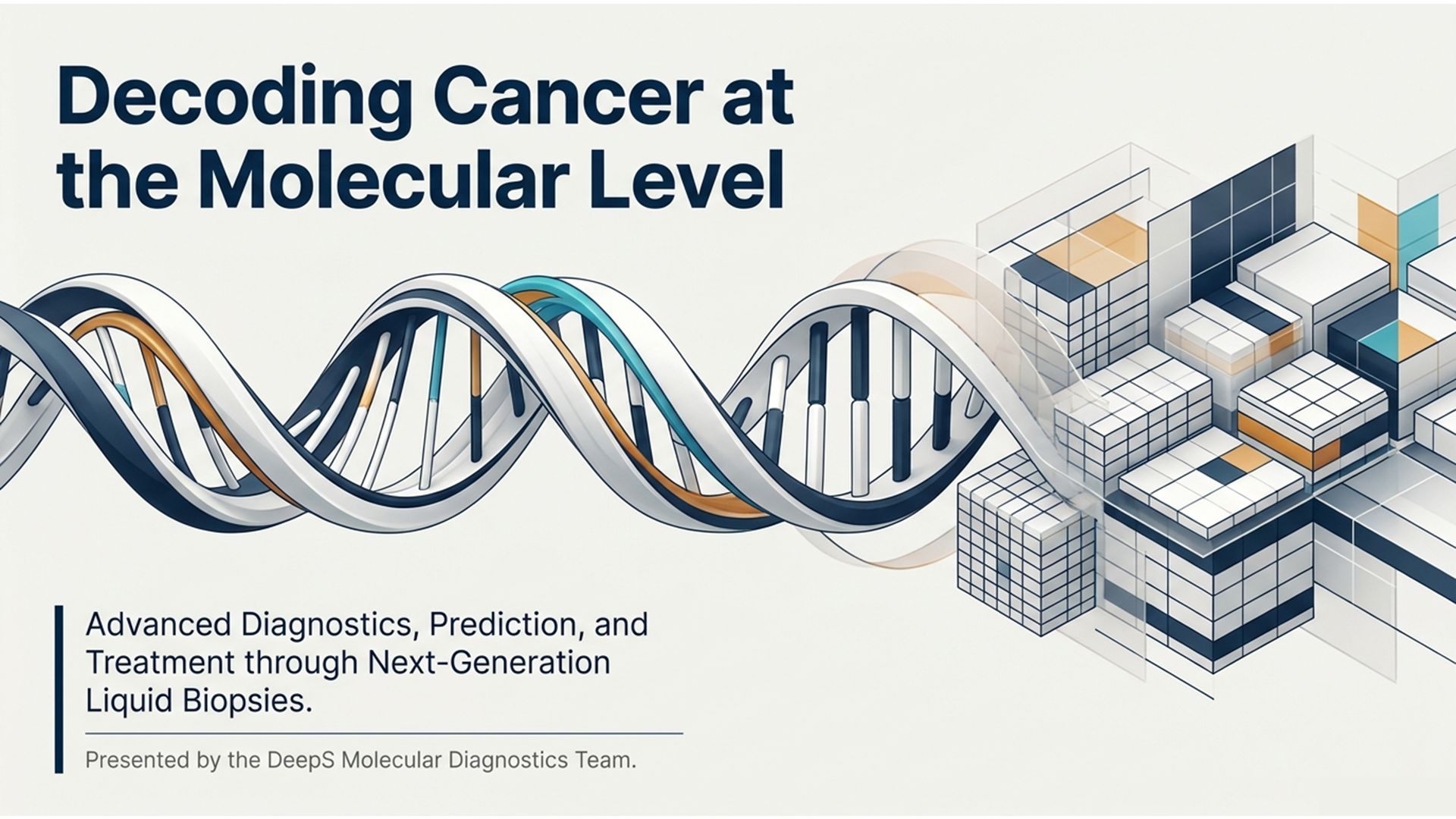
Decoding Cancer at the Molecular Level
Liquid Biopsies & Precision Genomic Profiling in Oncology
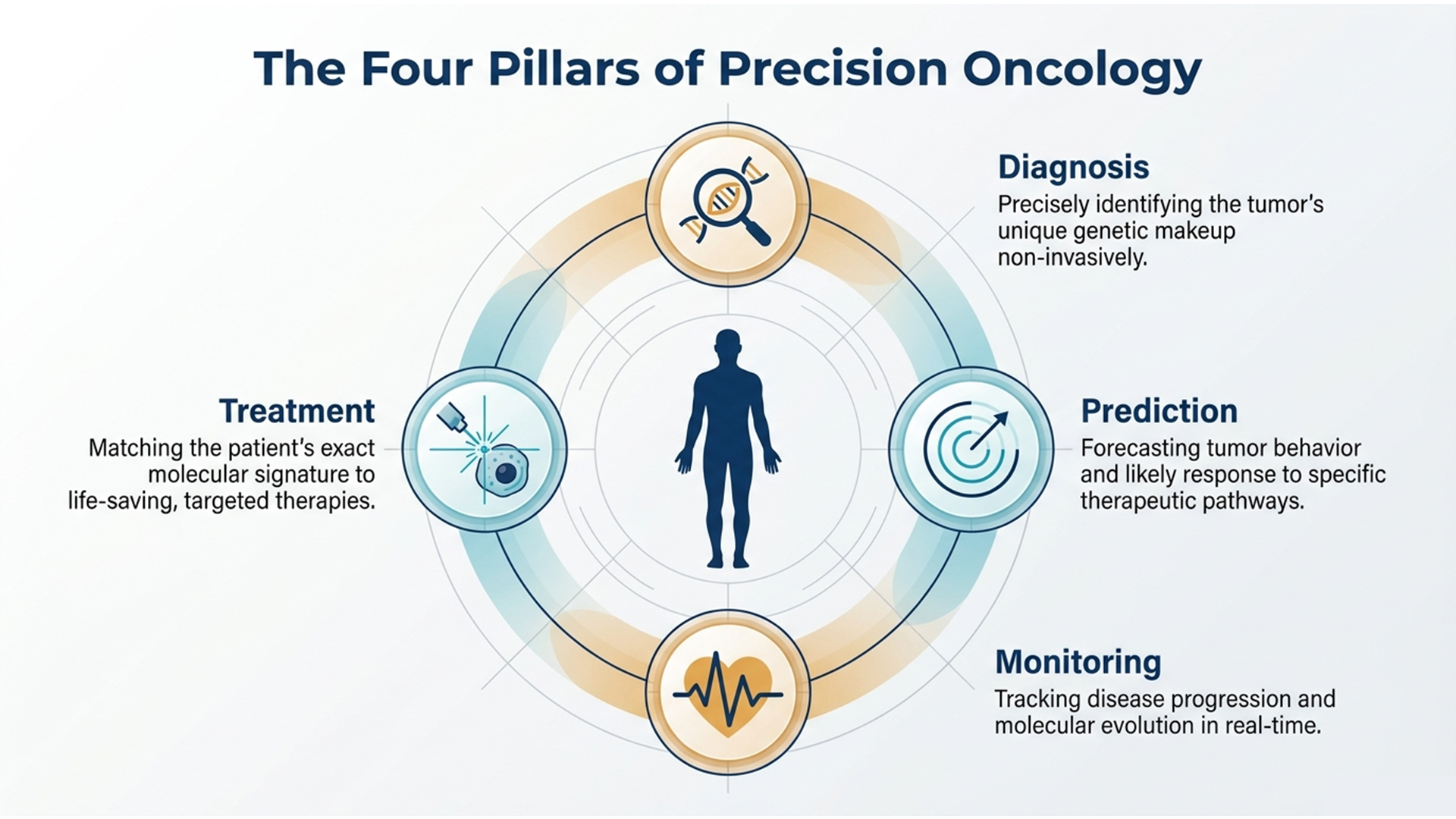
The Four Pillars of Precision Oncology
Diagnosis, Prediction, Targeted Treatment, and Longitudinal Monitoring
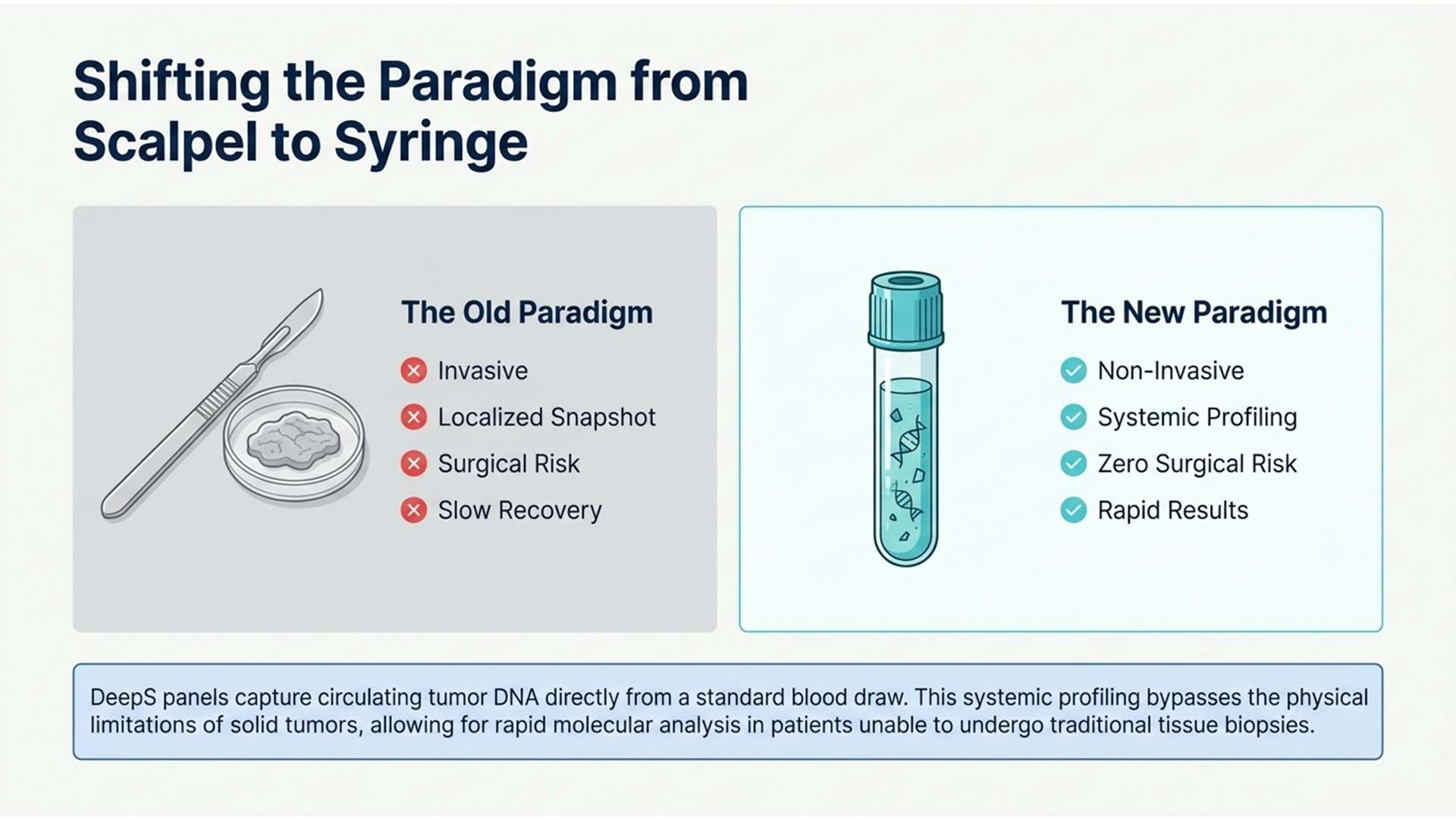
Shifting Paradigm: From Scalpel to Syringe
Non-Invasive Circulating Tumor DNA Profiling vs Surgical Biopsies
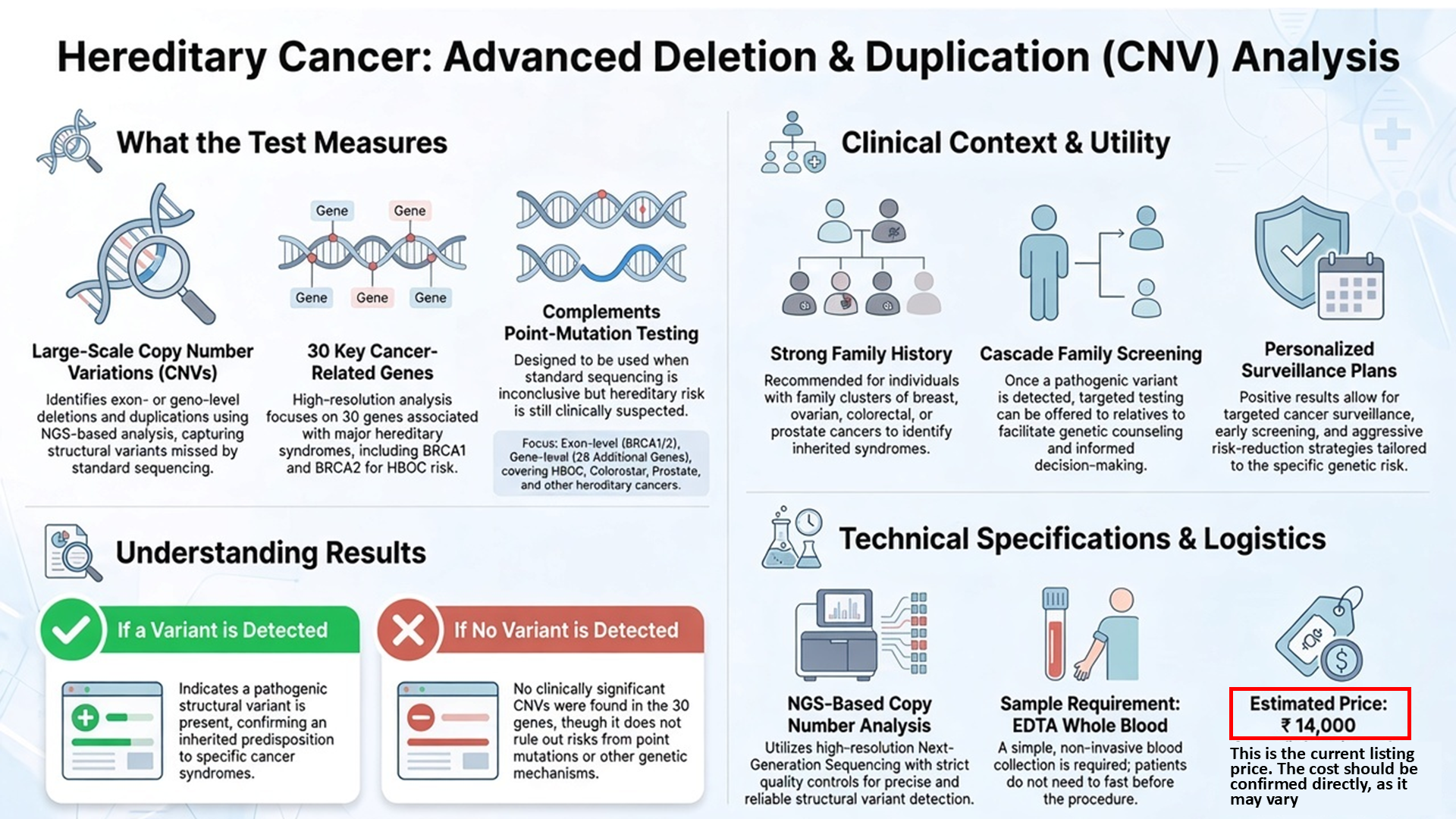
Hereditary Cancer 30-Gene Deletion/Duplication CNV Panel
High-Resolution Exon-Level Copy Number Variation Analysis
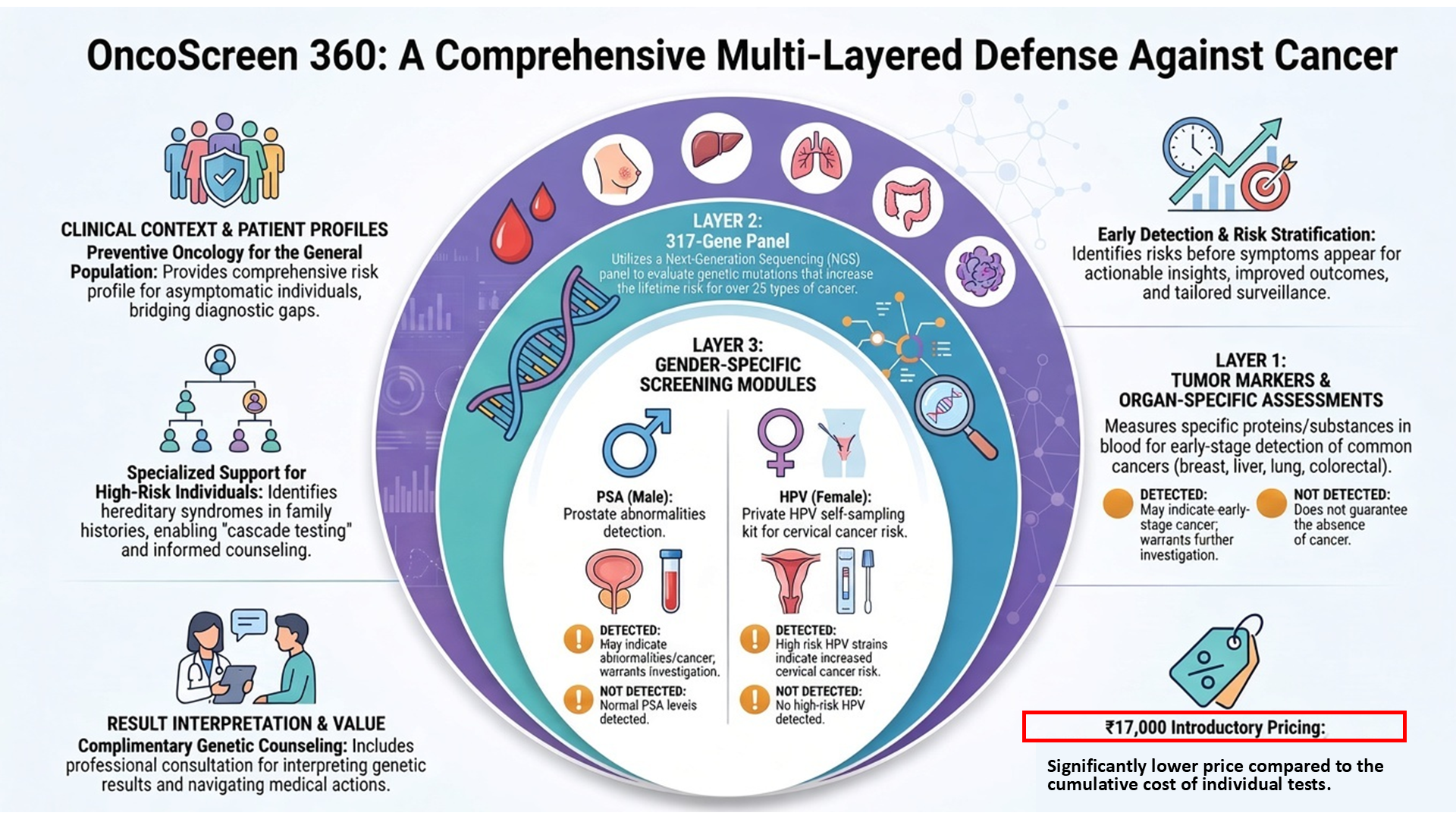
OncoScreen 360: Multi-Layered Cancer Defense
317-Gene Comprehensive Solid Tumor & Hereditary Profiling
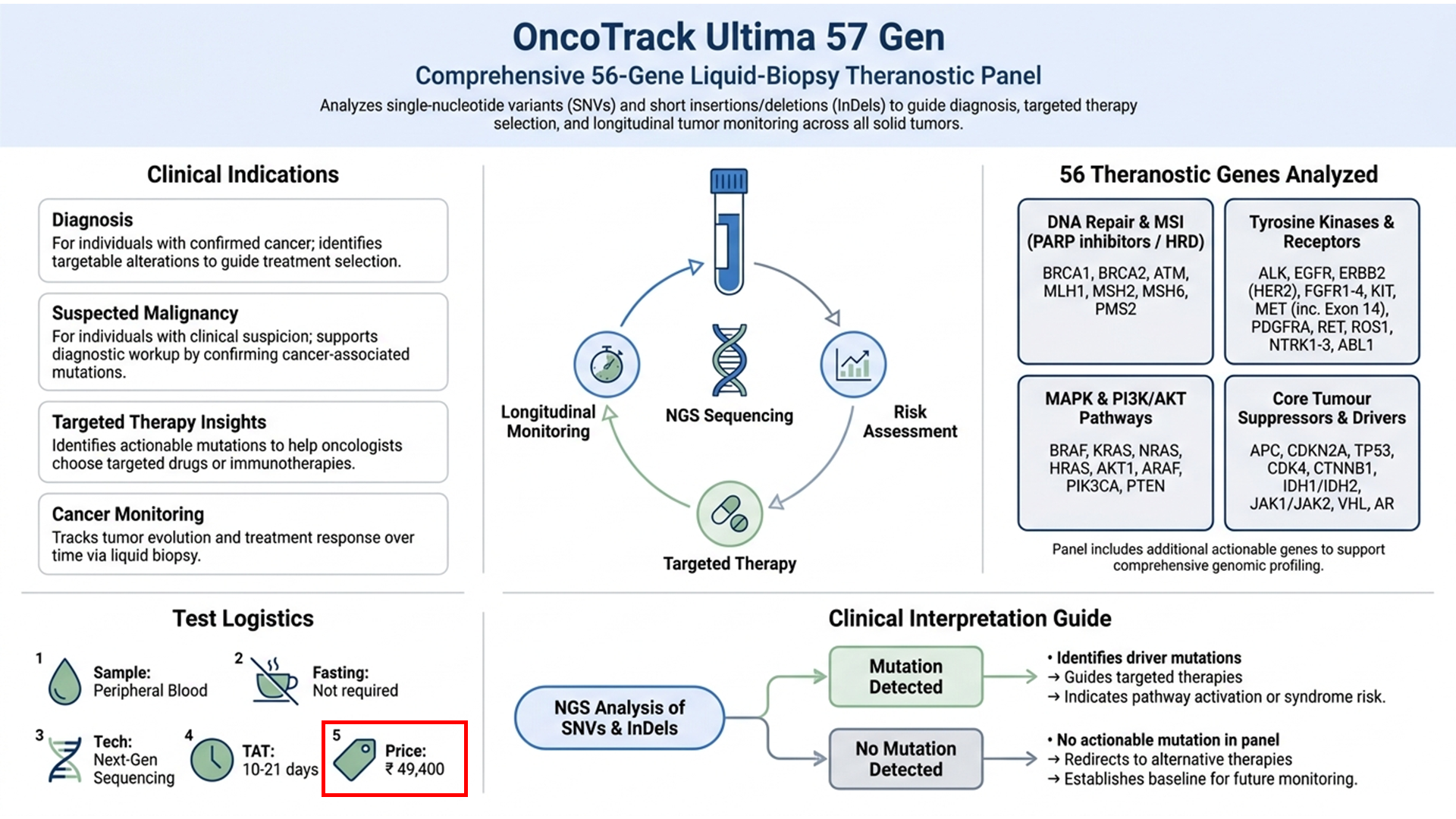
OncoTrack Ultima: 56-Gene Liquid Biopsy Theranostic Panel
Ultra-Deep cfDNA/ctDNA Hotspot Sequencing for Targeted Therapy Matching
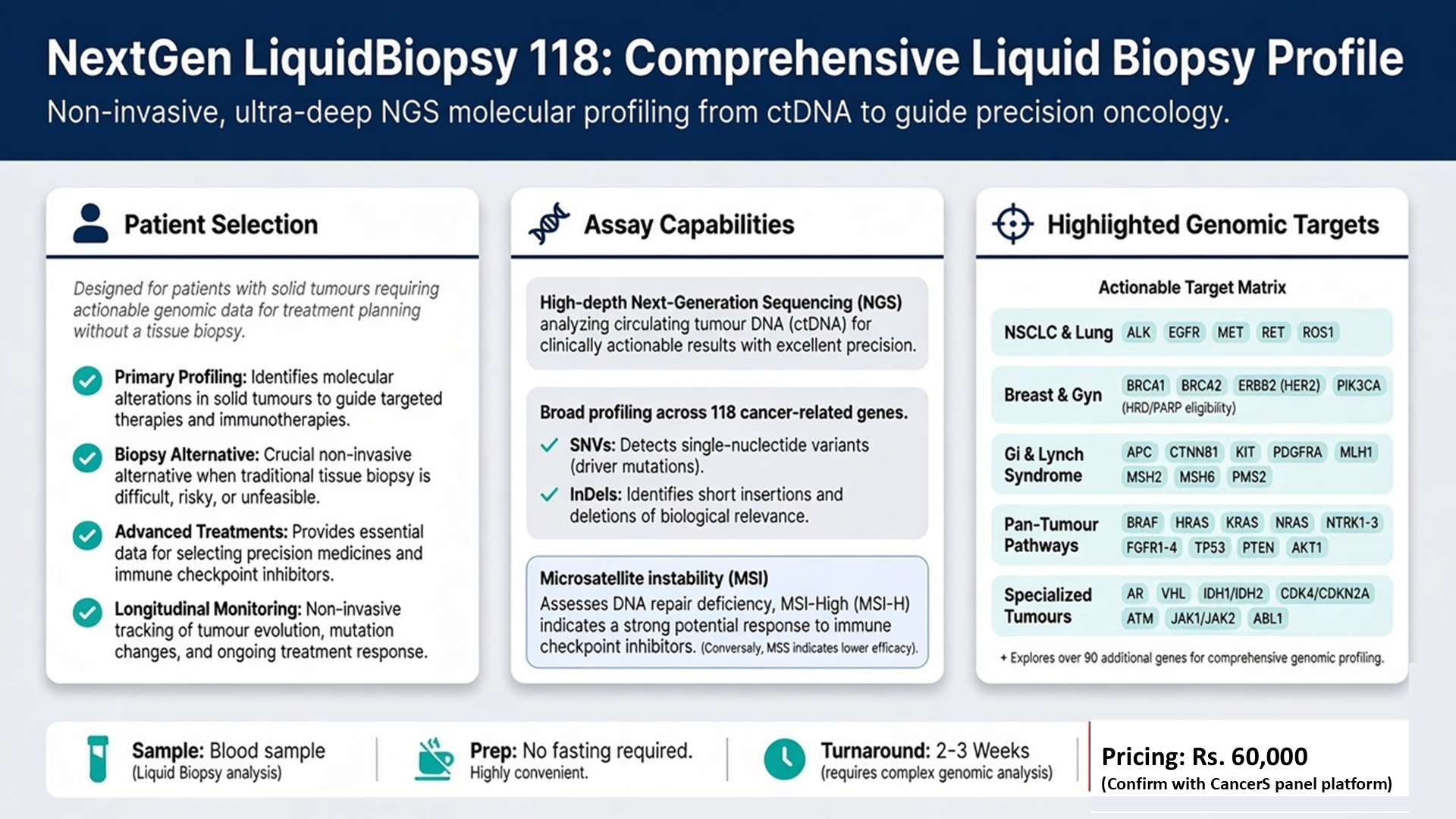
NextGen LiquidBiopsy 118: Comprehensive ctDNA Profile
118-Gene Comprehensive Solid Tumor & Resistance Mutation Screen
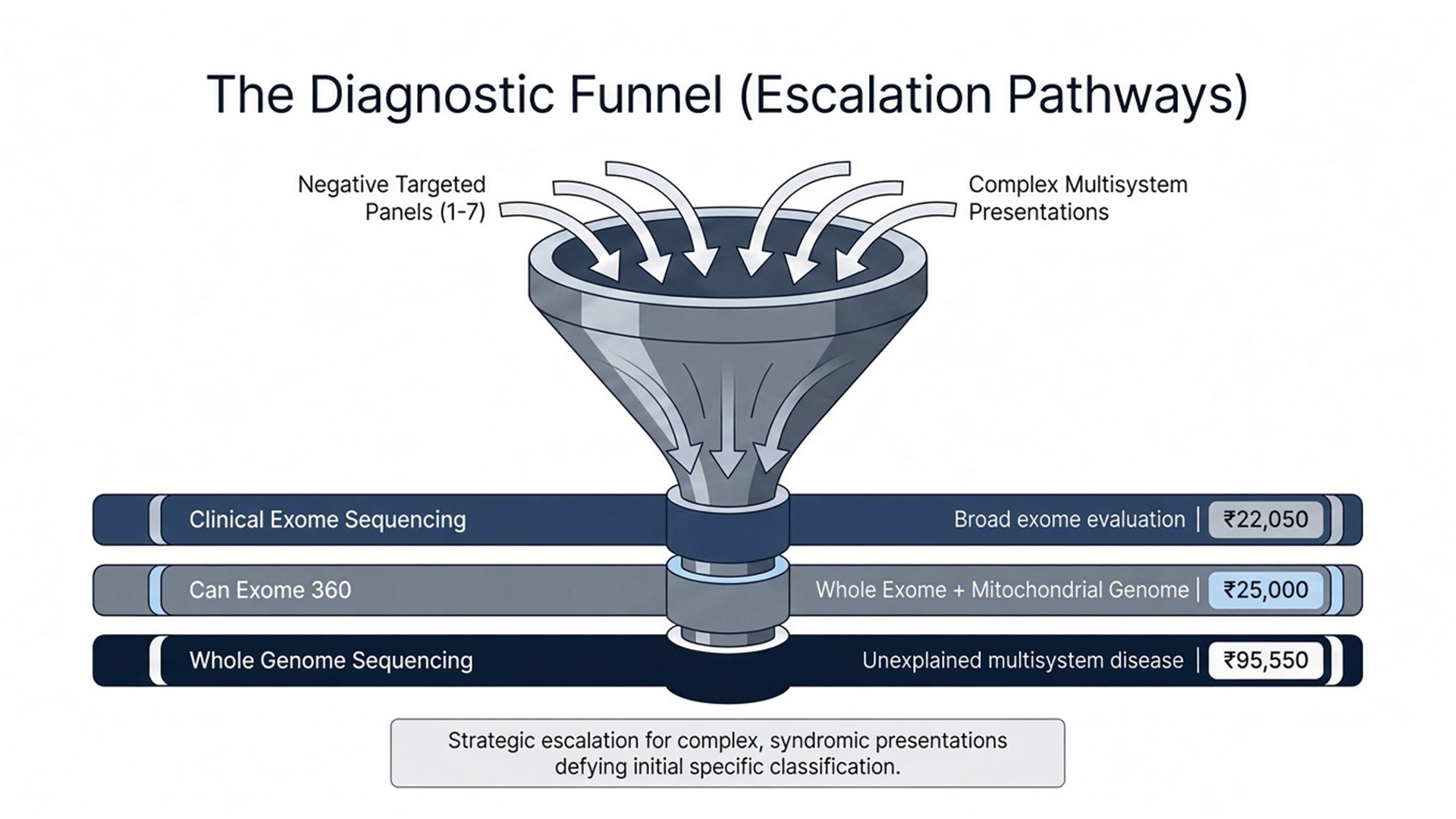
The Diagnostic Escalation Funnel (PPT Slide 12)
Clinical Exome (₹22,050), Can Exome 360 (₹25,000), Whole Genome (₹95,550)
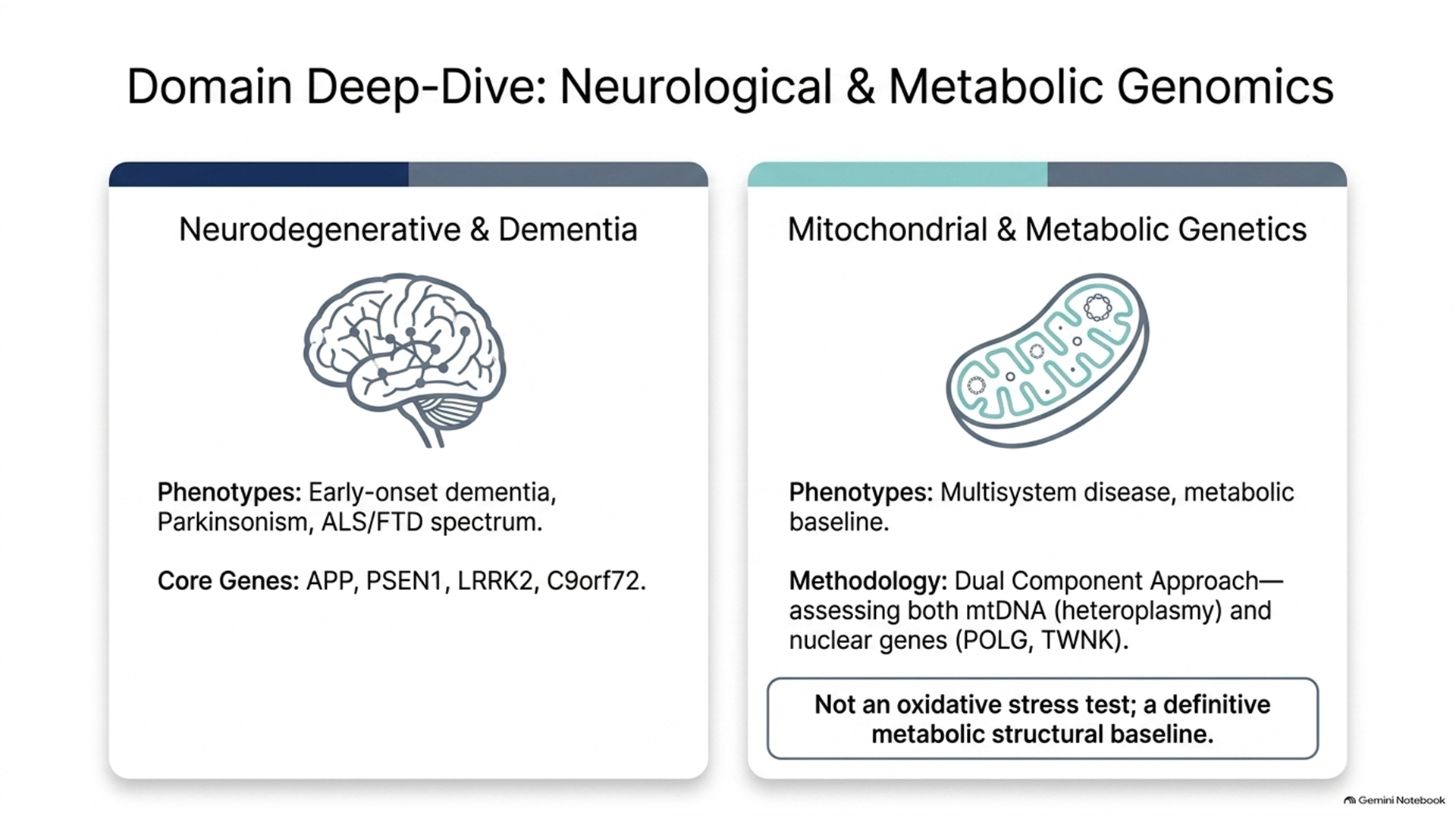
Neurological & Metabolic Genomics Domain Deep-Dive
Dementia, Movement Disorders & Mitochondrial Genetics
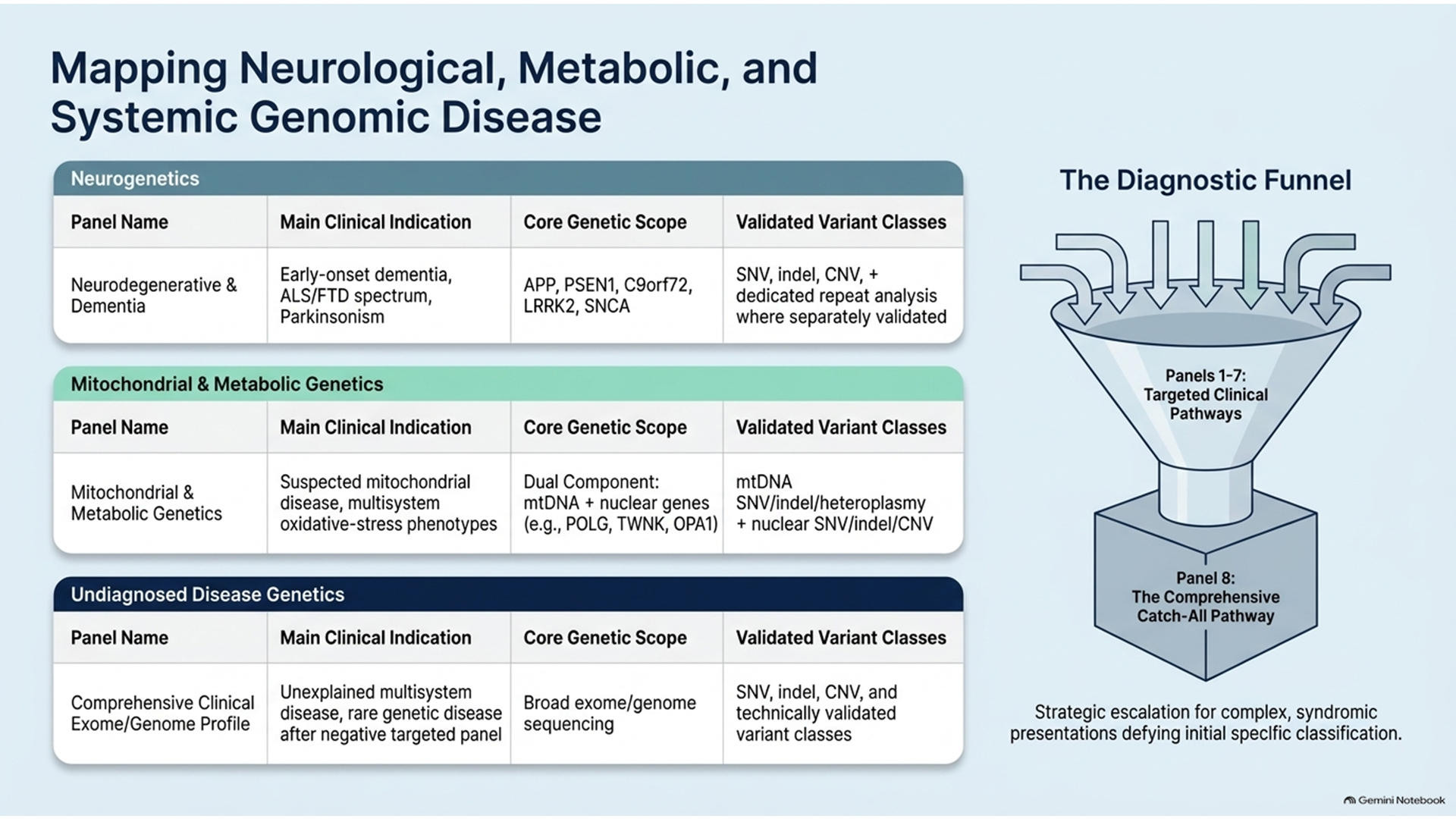
Mapping Neurogenetics & Undiagnosed Disease Funnel
Comprehensive Exome and Whole Genome Strategies for Neurological Disorders
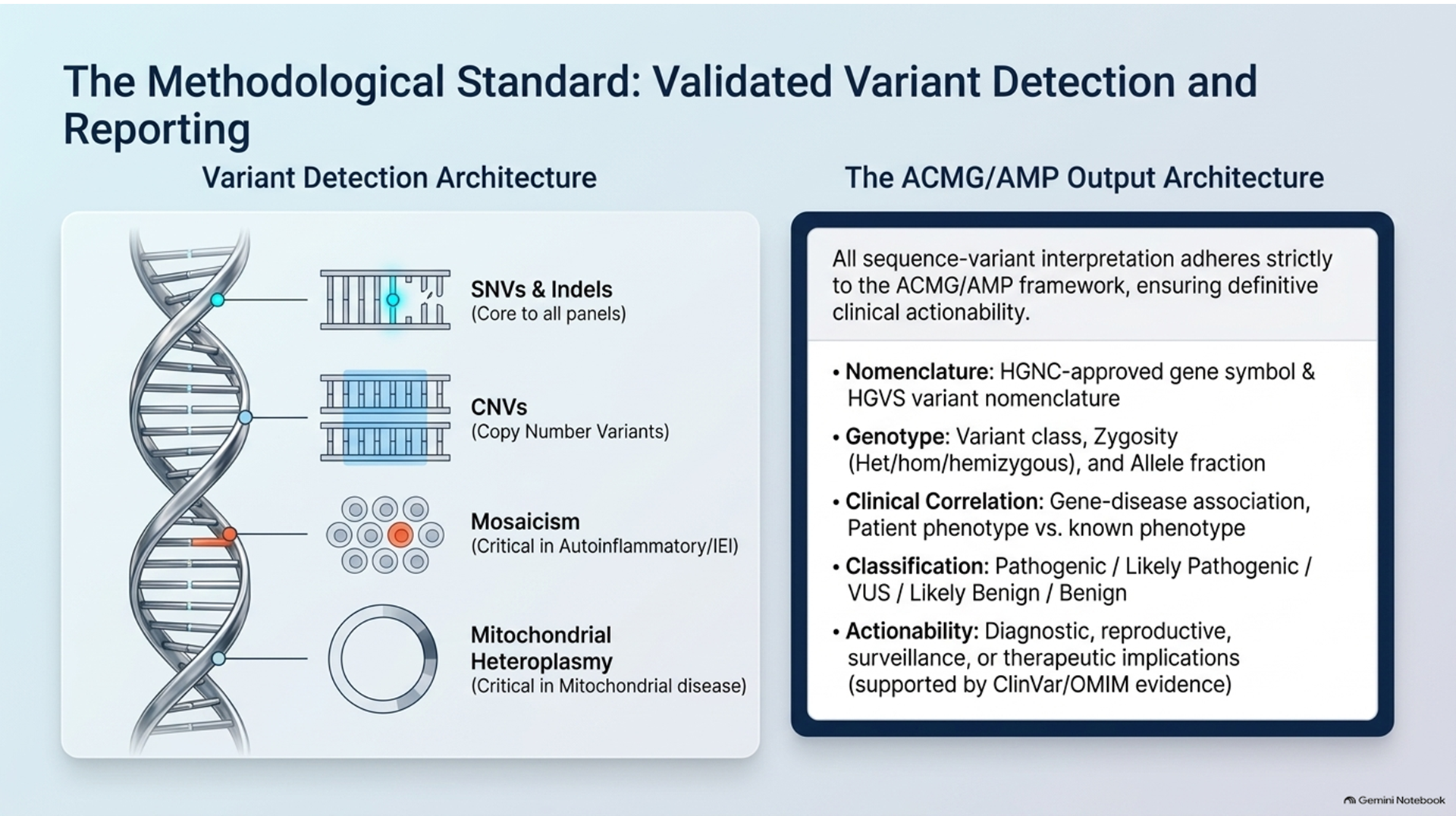
Methodological Standards: Validated Variant Reporting
ACMG/AMP Output Architecture and Clinical Diagnostic Reporting
Core Diagnostic Biomarker Axes
Coordinated multi-pathway laboratory parameters evaluated across this biological pillar
30-Gene Deletion & Duplication CNV Panel (BRCA1/2, MLH1, MSH2, TP53)
OncoScreen 360 (317 Genes)
OncoTrack Ultima (56 Genes), NextGen LiquidBiopsy (118 Genes)
Clinical Exome (₹22,050), Can Exome 360 (₹25,000), Whole Genome (₹95,550)
Associated Clinical Indicators
Common systemic presentations associated with this pillar:
Precision Oncology Testing Portfolio & Architecture Guide
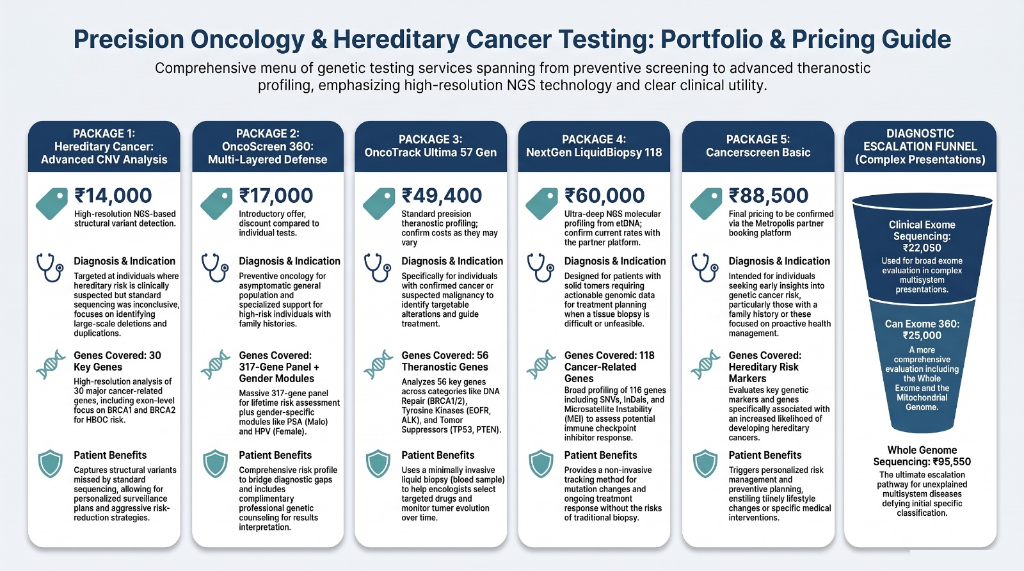
Key Included Biomarkers Across Tiers
Explore Diagnostic Panels for NGS & Precision Oncology
Compare screening, advanced, and comprehensive panels with full parameter breakdowns.
The Seven Biological Domains Explained in Depth
Review the complete physiological rationale behind each of the seven interlocking pillars of health.
Inflammatory Burden
Systemic low-grade inflammation is a primary pathophysiological driver across metabolic, cardiovascular, and autoimmune disorders. Evaluating both upstream cytokine signaling and downstream acute-phase vascular responses establishes a clear inflammatory baseline. Can help evaluate hidden inflammatory activity, endothelial stress, and acute-phase cytokine production to support your physician’s clinical assessment.
Autoimmune Disease
Autoimmune conditions occur when the adaptive immune system loses self-tolerance, misidentifying host tissues as foreign threats. Reficio’s multi-tiered serological panel screens for autoantibodies spanning baseline ANA IFA to comprehensive line-blot ENA profiles. May provide serological evidence of autoantibody reactivity (ANA, Anti-dsDNA, ENA, Anti-CCP) to support rheumatological diagnosis and disease monitoring.
Endocrine Disorders
The endocrine system orchestrates metabolism, energy expenditure, and stress adaptation through feedback loops between the hypothalamus, pituitary, thyroid, adrenals, and gonads. Reficio’s matrix profiles hormonal kinetics across multiple interconnected glands. Can help identify subclinical thyroid dysfunction, early insulin resistance, and diurnal adrenal stress patterns requiring clinical guidance.
Hair Fall & Cellular Nutrition
Hair follicle matrix cells possess one of the highest mitotic turnover rates in human biology, making them exceptionally sensitive to micronutrient deficiencies, thyroid imbalances, androgen receptor sensitivity, and systemic stress. May help identify reversible nutritional deficits (ferritin, zinc, vitamin D), hormonal shifts, or autoimmune activity affecting follicular anagen growth.
Ageing Biology & Longevity
Biological ageing is characterized by cellular senescence accumulation, mitochondrial inefficiency, stem cell exhaustion, and chronic sterile inflammation (inflammaging). Reficio benchmarks cellular health via SASP cytokines and metabolic regulators. Can provide a baseline understanding of metabolic, mitochondrial, and inflammatory hallmarks of ageing to support proactive longevity planning.
Female Infertility & Reproductive Health
Successful conception and embryo implantation require synchronized dialogue between the hypothalamic-pituitary-ovarian axis, endometrial receptivity, and maternal immune tolerance. Reficio profiles ovarian reserve, ovulatory kinetics, and implantation barriers. May help evaluate baseline reproductive hormone networks, quantitative ovarian reserve, and inflammatory barriers to assist specialists in family planning and IVF.
NGS & Precision Oncology
Next-Generation Sequencing provides massively parallel genomic profiling to identify actionable oncogenic drivers, familial cancer predispositions (HBOC, Lynch Syndrome), and circulating tumor DNA (ctDNA) for liquid biopsy theranostics. Can help oncologists identify actionable genetic markers, evaluate hereditary risk, and monitor minimal residual disease via non-invasive blood sampling.
Relevant Diagnostic Investigations
Explore verified pathology tests, precision genomic panels, and clinical guidelines related to The Seven Biological Pillars.
Standard & Specialized Pathology Tests
Kidney Function • Sample: Stone
Heart & Lipids • Sample: 3-5 ML Blood
Heart & Lipids • Sample: 3 ml
Heart & Lipids • Sample: 3 ml
Relevant Precision Genomics Assays
BRCA1, BRCA2, TP53, PALB2 • 10 to 14 working days
6,000+ OMIM-annotated human disease-causing genes encompassing all known Mendelian phenotypes • 14 to 21 working days
EGFR (Exons 18-21), KRAS (Codons 12, 13, 61, 146), NRAS, BRAF (V600) • 7 to 10 working days